Protecting your vehicle during a cruise is defined by the choices you make before you ever step aboard the ship. Most cruise trips last 7–14 days, which means your car sits unattended long enough for battery drain, weather damage, or theft to become real problems. The right vehicle safety tips for cruise travel start with selecting a secure parking facility, then layer in smart preparation and retrieval planning. Travelers who treat car security as part of cruise planning return to fewer surprises and lower costs.
1. How to choose a secure parking facility for your cruise vehicle
The parking facility you choose is the single biggest factor in your vehicle's safety during a cruise. 24/7 security, gated access, and CCTV surveillance are the baseline requirements for any lot you consider for a multi-week stay. A facility that meets all three criteria dramatically reduces the risk of theft, vandalism, and unauthorized access.
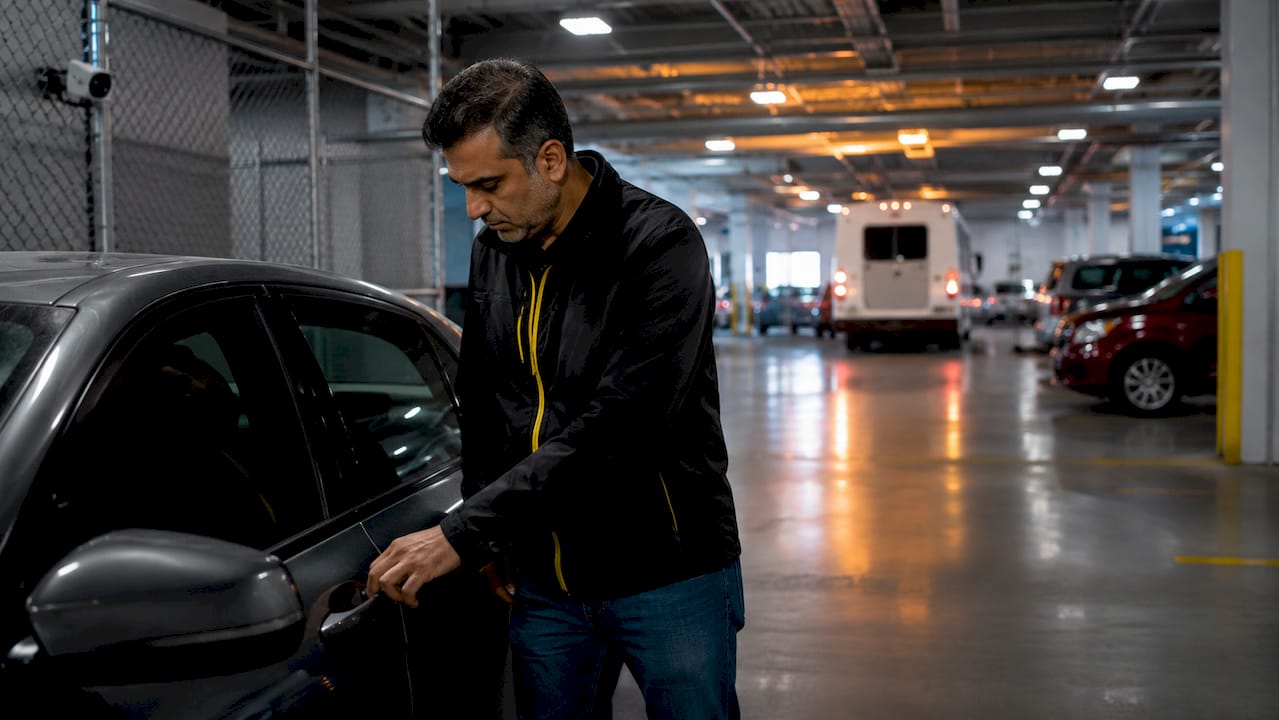
On-site port parking offers proximity but often comes at a premium price and fills up fast on peak embarkation days. Off-site lots typically cost less, but shuttle availability and timing directly affect how convenient and secure the experience feels. The best off-site facilities run frequent, scheduled shuttles and handle luggage loading as part of the service.
When evaluating any lot, check these features before booking:
- Staffed entry and exit points with ID verification
- Covered or indoor parking to protect against weather exposure
- Clear cancellation and refund policies in writing
- Shuttle schedules that align with your embarkation and return times
- Customer reviews that specifically mention long-term stays
Pro Tip: Read the facility's arrival and return instructions in full before your trip. Knowing exactly where to pull in and how to reach the shuttle saves real time on a busy embarkation morning.
For a deeper look at what separates quality facilities from average ones, the cruise port parking guide breaks down the key differences by parking type.
2. Essential vehicle preparation checklist before leaving for a cruise
Proper vehicle prep before a cruise is as important as choosing the right parking lot. Pre-trip preparation steps that experts recommend include keeping fuel above a quarter tank, removing all valuables, fully locking every entry point, and disabling battery-draining systems. Skipping even one of these steps can turn a smooth return into a stressful ordeal.
Follow this numbered checklist before you leave for the port:
- Fuel level. Keep the tank at least a quarter full. A near-empty tank can cause fuel system issues during extended storage in hot or cold weather.
- Remove valuables. Clear out laptops, chargers, sunglasses, cash, and any personal documents. Valuables left in plain sight are the most common trigger for vehicle break-ins.
- Disable battery drains. Turn off dashcams, GPS trackers set to active mode, and any feature like Tesla's Sentry Mode. Battery drain during long stays is one of the most frequent complaints from returning cruise travelers.
- Check tire pressure. Properly inflated tires resist flat spots that develop when a car sits stationary for two weeks or more.
- Lock everything. Confirm all doors, windows, the sunroof, and the trunk are fully closed and locked before walking away.
- Document your vehicle. Take photos of your car's condition and note your exact parking spot number or row. These records protect you in any dispute and make retrieval faster.
Pro Tip: Set a phone alarm the night before embarkation labeled "car checklist." Running through these steps when you are calm and rested beats rushing through them in a parking lot with luggage at your feet.
3. Common vehicle security mistakes cruise travelers make
Most vehicle security problems during cruises trace back to a short list of avoidable mistakes. Recognizing these errors before your trip is the fastest way to close the gaps in your protection plan.
- Leaving valuables visible. A bag on the back seat or a charging cable on the console signals to opportunistic thieves that the car is worth targeting. Clear the interior completely, including the trunk if it has a pass-through.
- Ignoring shuttle timing. Many travelers book a lot without checking when the first shuttle departs. Arriving at an off-site lot 90 minutes before the ship boards, only to find the next shuttle leaves in 45 minutes, creates unnecessary stress.
- Skipping offline reservation confirmation. Cruise port operators stress having a physical or cached copy of your booking. Cell service near busy terminals is often unreliable, and a screenshot saves the day.
- Overlooking extended-stay policies. Some lots charge differently for stays beyond 7 days or require advance notice for stays over 14 days. Read the fine print before you book, not after you return.
- Ignoring weather exposure. Sun damage, bird droppings, and rain ingress through a cracked window can cause real harm over two weeks. Covered or indoor parking eliminates this risk entirely.
4. How to handle vehicle retrieval and return logistics after your cruise
Return day is where the best-laid plans either pay off or fall apart. Disembarkation shuttle waits and vehicle retrieval are consistently the slowest part of a cruise trip, so building in extra time is not optional. Plan to spend at least 30–60 minutes between leaving the ship and reaching your car.
- Keep your confirmation accessible. Store your parking ticket and booking confirmation in your carry-on bag, not your checked luggage. A printed copy works when your phone battery is low.
- Inspect your vehicle immediately. Walk around the car before you load luggage. Check for new scratches, dents, or any sign of tampering. Document anything unusual with photos right away.
- Coordinate with your group. If you are traveling with family or multiple bags, assign one person to handle the shuttle coordination while others manage luggage. This prevents bottlenecks at the shuttle pickup point.
- Account for peak disembarkation traffic. Large ships can disembark thousands of passengers within a few hours. Shuttle queues peak during this window, so patience and a buffer in your schedule are both necessary.
Pro Tip: Review the vehicle retrieval process for your specific facility before you sail. Knowing the exact pickup location and shuttle frequency means you spend less time standing around on return day.
5. Additional practical tips to protect your car during cruise travel
Beyond parking selection and vehicle prep, a few extra measures significantly reduce your overall risk. These steps cost little time but add meaningful protection for a car sitting unattended for weeks.
- Use a visible steering wheel lock. Physical deterrents like a steering wheel club reduce theft attempts by making your car a harder target than the one next to it. Thieves work on opportunity, and visible deterrents shift that calculation.
- Verify your insurance coverage. Check whether your auto insurance policy covers theft or damage during extended storage. Some policies require the vehicle to be in a licensed facility to honor a claim.
- Notify a trusted contact. Let a neighbor or local friend know your car will be parked at a specific facility for the duration of your trip. This person can act quickly if the facility contacts you with an issue.
- Avoid public social media announcements. Posting your cruise departure date and destination publicly signals that your home and vehicle are unattended. Save the vacation photos for when you return.
- Secure your spare key. Leave a spare key with a reliable person rather than hiding one in or on the vehicle. A hidden spare is a known vulnerability that experienced thieves exploit.
For travelers who cruise frequently, the free shuttle parking guide covers how to combine cost savings with strong security at off-site facilities near major cruise ports.
Key takeaways
Protecting your vehicle during a cruise requires secure parking, thorough pre-trip preparation, and a clear retrieval plan before you ever leave the dock.
| Point | Details |
|---|---|
| Choose monitored parking | Select facilities with 24/7 surveillance, gated access, and covered parking for multi-week stays. |
| Prep your vehicle fully | Remove valuables, disable battery drains, check tire pressure, and photograph your car before parking. |
| Save your confirmation offline | Store a printed or cached booking confirmation to avoid access issues at busy port terminals. |
| Plan your return carefully | Budget 30–60 minutes for shuttle waits and inspect your vehicle before loading luggage. |
| Add deterrents and coverage | Use a steering wheel lock, verify insurance, and avoid posting travel plans on social media. |
What I have learned from watching cruise travelers get this wrong
Most cruise travelers spend weeks planning shore excursions and zero hours planning what happens to their car. I have seen this pattern repeat itself enough times to call it the most predictable mistake in cruise travel.
The travelers who return to a dead battery, a broken window, or a 45-minute shuttle wait in the rain almost always share one trait: they treated parking as an afterthought. They booked the cheapest lot they could find the night before departure, tossed a laptop bag on the back seat, and assumed everything would work out. It usually does not.
What actually works is treating your vehicle safety checklist the same way you treat your passport. You check it, double-check it, and do not leave home without confirming it is handled. Pre-booking and verifying parking details the day before embarkation is the single habit that separates stress-free returns from expensive ones.
The good news is that parking technology and facility standards have improved significantly. Indoor monitored lots near major cruise ports now offer real security, not just a fence and a hope. Frequent cruisers who lock in a membership or reserved spot with a trusted facility stop worrying about this entirely. That peace of mind is worth more than the few dollars saved by booking a random open-air lot.
— Martin
Secure parking for your cruise near Norfolk, VA
Cruise travelers who want to stop worrying about their parked vehicle have a clear option near the Port of Norfolk.
Asphaltlotsva is a veteran-owned facility located just 15 minutes from Norfolk, offering secure indoor parking with round-the-clock surveillance. The VIP Unlimited Parking Membership gives frequent cruisers a reserved spot on every cruise day, priority shuttle service to the port, and guaranteed availability when it matters most. The free shuttle runs on a schedule built around embarkation and return timing, so you are never left waiting. Book your long-term cruise parking at Asphaltlotsva before your next sailing and arrive at the port with one less thing on your mind.
FAQ
What is the most important vehicle safety tip for cruise travel?
Choosing a parking facility with 24/7 surveillance, gated access, and covered parking is the single most important step. Everything else builds on that foundation.
How do I avoid a dead battery when parking for a cruise?
Disable dashcams, GPS trackers, and features like Sentry Mode before parking. For trips longer than 10 days, consider disconnecting the battery's negative terminal.
Should I remove everything from my car before a cruise?
Remove all valuables, personal documents, and visible electronics before parking. Items left in plain sight are the leading trigger for vehicle break-ins at long-term lots.
How early should I plan my vehicle retrieval after a cruise?
Budget at least 30–60 minutes between leaving the ship and reaching your car. Shuttle queues peak during disembarkation and can add significant wait time on busy return days.
Is off-site cruise parking safe?
Off-site parking is safe when the facility offers staffed entry points, CCTV coverage, and a reliable shuttle. Verify these features before booking rather than assuming they are standard.