Vehicle retrieval after a cruise is the set of procedures that allow passengers to locate, access, and depart with their parked vehicles promptly after disembarking from their ship. The process covers everything from pre-arranged parking confirmation to final vehicle inspection before you leave the port. Terminals at major ports handle this transition across a compressed window, often processing hundreds of vehicles within a few hours. Knowing what to expect before you step off the gangway makes the difference between a smooth exit and a frustrating delay.
What is vehicle retrieval after a cruise?
Vehicle retrieval after a cruise is the industry term for the coordinated process by which passengers reclaim their parked vehicles following disembarkation. Port operators, parking facilities, and valet services each play a defined role in this process. The goal is to move passengers from ship to car with minimal waiting, even when thousands of travelers disembark on the same morning.
Cruise terminals are built for high-volume throughput. Processing capacity reaches 400–600 vehicles per hour during the concentrated 2–3 hour disembarkation window. That figure means a mid-size terminal can clear an entire parking structure in a single morning, but only when the logistics are working correctly.
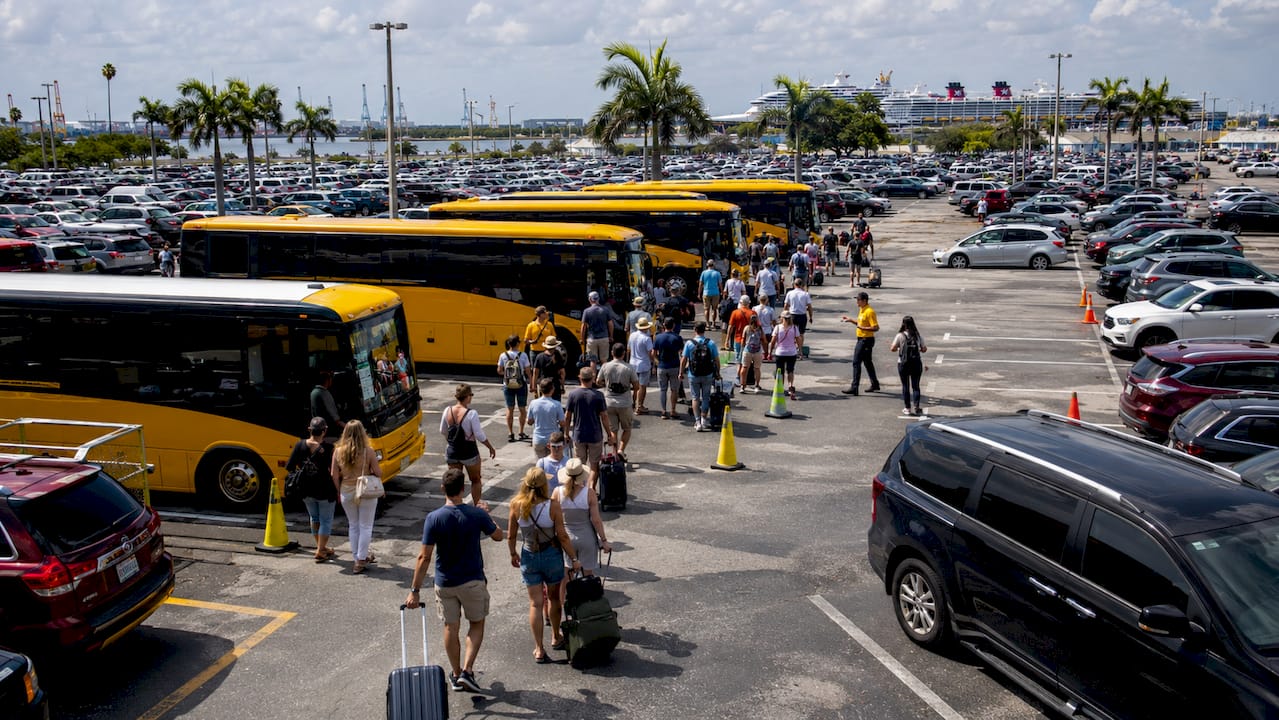
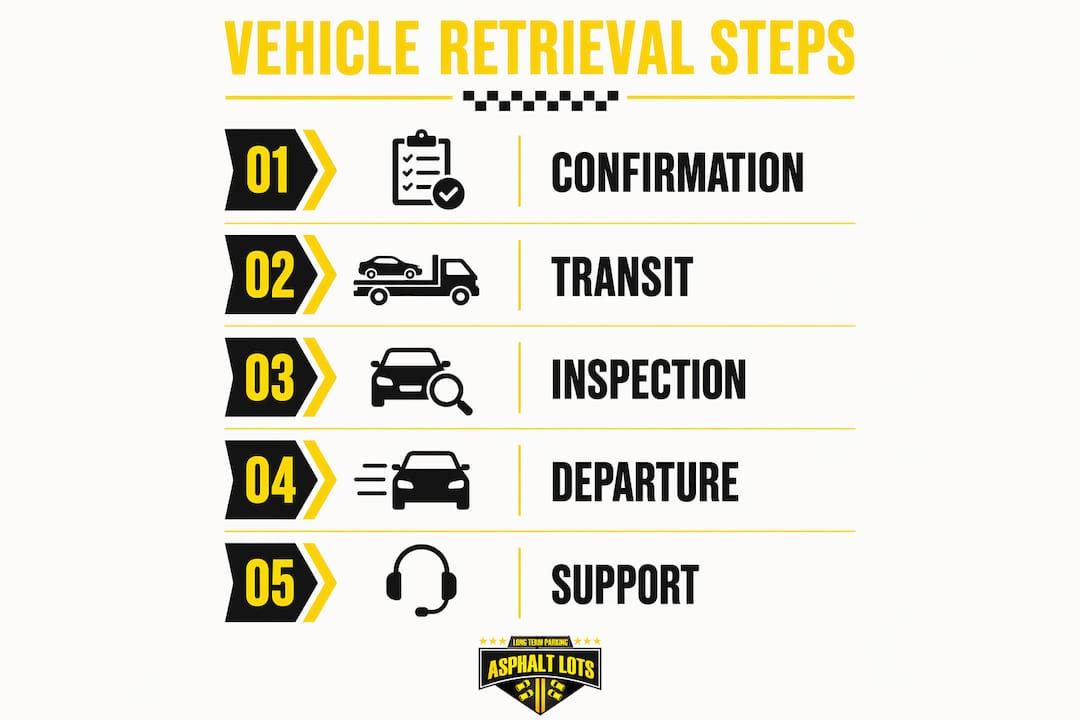
The process of car retrieval typically follows three stages: confirmation, transit, and inspection. You confirm your parking ticket or valet claim, take a shuttle or walk to your vehicle, and inspect the car before driving off. Each stage has its own potential delay points, which is why preparation matters more than most travelers expect.
How cruise terminals manage vehicle parking and retrieval logistics
Cruise terminals use batch processing to handle the surge of passengers leaving at roughly the same time. Rather than releasing all passengers at once, ships stagger disembarkation by deck or zone number. That staggering gives parking operators time to stage vehicles and position shuttles before the next wave arrives.
Separated pickup zones for shuttles, rideshares, and private cars significantly improve efficiency and reduce passenger stress. When all vehicle types share the same lane, congestion builds fast. Terminals that enforce zone separation move passengers through in a fraction of the time.
Parking guidance systems, including digital signage and color-coded lot maps, direct passengers to the correct retrieval area. These systems are standard at larger ports and reduce the need for staff to manually direct foot traffic. Smaller regional terminals may rely on printed maps and verbal instructions, which increases the chance of confusion.
Terminals also maintain protocols for delayed or abandoned vehicle retrieval. If a passenger misses their retrieval window due to a medical issue or customs delay, the vehicle stays in its assigned space until the operator is notified. Most facilities charge daily fees until the vehicle is collected, with no exceptions for circumstances outside the traveler's control.
| Retrieval method | Best for | Key consideration |
|---|---|---|
| Self-parking lot | Solo travelers, short cruises | Walk or shuttle to your car; confirm lot section before boarding |
| Valet service | Families, heavy luggage | Valet services need clear storage protocols to avoid post-cruise confusion |
| Private transfer | Groups of 6 or more | Often more cost-effective than daily parking fees |
| Shuttle-linked parking | Frequent cruisers | Fastest option when the facility is close to the terminal |
Pro Tip: Photograph your parking ticket, lot number, and space marker before boarding your ship. That photo takes ten seconds and eliminates the most common retrieval delay.
Common challenges travelers face when retrieving vehicles post-cruise
The most common mistake in family vehicle retrieval at cruise terminals is underestimating luggage volume and group size. Under-reporting luggage or group size causes delays because the vehicle or transfer arranged cannot physically accommodate everyone. A family of five with a week of luggage needs a different vehicle plan than a couple with carry-ons.
Several other challenges consistently slow down vehicle recovery post-cruise:
- Misreading retrieval timing. Many travelers assume they can retrieve their car immediately after disembarking. In practice, shuttle cycles and lot access can add 20–40 minutes to the process.
- Multiple ships disembarking simultaneously. Major ports like Port Canaveral and Norfolk regularly handle two or more ships on the same morning. Shared lots and shuttle routes become congested fast.
- Late vehicle pickup fees. Parking fees accrue daily with no credits for ship delays. If your cruise runs a day late, you pay for that extra day regardless.
- Valet communication gaps. Passengers who did not confirm their valet claim number before boarding often face extended waits while staff locate the vehicle.
- Unfamiliar terminal layouts. First-time cruisers at large ports frequently walk to the wrong retrieval zone, adding unnecessary time and frustration.
Booking vehicle pickup too early or too late creates its own problems. Professional operators monitor ship schedules and adjust pickup times accordingly. If you book a private transfer independently, build in a 30-minute buffer beyond the scheduled docking time.
Pro Tip: Call your parking provider the evening before your return date to confirm your reservation is active and ask for the exact shuttle pickup location. That one call prevents the majority of retrieval surprises.
How to retrieve your car after a cruise: a step-by-step process
Retrieving your vehicle efficiently comes down to preparation that starts before you board, not after you dock.
-
Confirm your parking reservation details before departure. Write down the facility name, lot section, space number, and the provider's phone number. Store this information somewhere accessible without cell service, since port Wi-Fi is often unreliable.
-
Keep your parking ticket and claim check with your travel documents. Do not pack these in checked luggage. A lost claim check at a valet facility can delay retrieval by an hour or more while staff verify ownership.
-
Check the terminal map for your specific retrieval zone. Most cruise lines publish disembarkation guides in the ship's daily newsletter on the final night. The guide lists shuttle pickup points and parking lot access routes by zone.
-
Coordinate with your driver or valet service the morning of arrival. Effective pickups align with actual ship disembarkation timing, not the original scheduled docking time. Text or call your provider once the ship clears customs inspection.
-
Assign roles within your group. Dividing roles, with one person managing documentation and another handling the vehicle handoff, prevents bottlenecks. This is especially useful for families managing strollers, car seats, and multiple bags.
-
Inspect your vehicle before leaving the lot. Walk around the car and check for new scratches, tire condition, and that all personal items are present. Report any issues to the facility attendant before you exit. Once you leave the property, most operators consider the vehicle accepted as-is.
-
Confirm your parking fee total before departure. If your cruise ran longer than planned, terminal parking authorities calculate fees based on worst-case cruise durations with no credit for delays. Verify the final charge at the booth rather than disputing it later.
Comparing vehicle retrieval options: self-parking, valet, and private transfers
The right retrieval option depends on your group size, luggage volume, and how much you value convenience versus cost.
Self-parking is the most common choice for solo travelers and couples. You park on arrival, take a shuttle to the terminal, and reverse the process on return. Daily rates at major ports like Port Canaveral sit at $17 per day. A seven-day cruise costs roughly $119 in parking fees before any taxes or surcharges.
Valet parking removes the walk to your car entirely. An attendant retrieves your vehicle and brings it to a designated pickup lane. The tradeoff is cost and the need for clear communication. A dependable valet service offers transparent storage and delay-handling protocols. Without those, you risk waiting in a pickup lane with no information about where your car is.
Private transfers make the most financial sense for groups of six or more. When you split a flat-rate transfer among six passengers, the per-person cost often falls below what each person would pay in parking fees for the same trip. Private operators also monitor ship schedules, which reduces the risk of missed connections.
For families managing a long drive from the cruise terminal, a facility close to the port with a free shuttle is the most practical solution. It eliminates the cost of daily parking fees at the terminal itself and puts your vehicle in a secure, monitored environment for the duration of the cruise. Asphaltlotsva, located 15 minutes from Norfolk, offers exactly this setup, including indoor parking with round-the-clock surveillance and a VIP Unlimited Parking Membership for frequent cruisers who want a guaranteed spot every time.
Key takeaways
Vehicle retrieval after a cruise requires advance preparation, clear documentation, and realistic timing aligned with actual disembarkation schedules, not estimated docking times.
| Point | Details |
|---|---|
| Prepare before you board | Photograph your ticket, lot number, and provider contact before the cruise departs. |
| Assign roles in your group | One person handles documents, another manages the vehicle handoff to cut retrieval time. |
| Budget for delays | Parking fees accrue daily with no credits; calculate costs based on the longest possible trip duration. |
| Choose the right retrieval method | Groups of six or more often save money with private transfers compared to daily port parking fees. |
| Inspect before you leave | Check the vehicle at the lot and report any issues before exiting the property. |
What I've learned after watching hundreds of cruise passengers retrieve their cars
Most retrieval problems are not caused by bad luck. They are caused by assumptions. Passengers assume the shuttle runs constantly. They assume the valet has their car staged. They assume the parking fee will match the original estimate. None of those assumptions are safe.
The travelers who exit the port fastest are the ones who treated vehicle retrieval as part of the trip, not an afterthought. They read the vacation parking reservation process before they booked. They confirmed their reservation the night before. They knew their lot section without having to check their phone.
Families with young children face the steepest learning curve. Managing car seats, strollers, and tired kids while also navigating a busy port lot is genuinely hard. The families who handle it well divide the work. One adult moves toward the vehicle. The other stays with the kids and luggage. That split takes thirty seconds to plan and saves fifteen minutes of chaos.
The terminal logistics have improved significantly at well-run ports. Separate zones, digital signage, and staggered disembarkation all help. But the terminal can only do so much. The passenger who walks off the ship with a printed parking confirmation and a charged phone will always beat the one who is searching their email in a crowded lot.
My honest advice: treat the retrieval plan the same way you treat your boarding documents. Know it before you need it.
— Martin
Asphaltlotsva: secure parking near Norfolk cruise terminal
Cruise passengers departing from Norfolk face a straightforward choice: pay daily terminal parking fees with no guarantee of availability, or book a dedicated facility that holds your spot.
Asphaltlotsva is a veteran-owned indoor parking facility located 15 minutes from Norfolk's cruise terminal. The facility offers round-the-clock surveillance, a free shuttle to and from the terminal, and a VIP Unlimited Parking Membership for frequent cruisers who want a reserved spot on cruise days with no availability risk. When your ship docks, your shuttle is ready and your car is exactly where you left it. Learn more about long-term cruise parking at Asphaltlotsva and book your spot before your next departure.
FAQ
What is vehicle retrieval after a cruise?
Vehicle retrieval after a cruise is the process by which passengers locate and collect their parked vehicles following disembarkation. It includes confirming parking details, taking a shuttle or walking to the lot, and inspecting the vehicle before departure.
How long does car retrieval at a cruise terminal take?
Retrieval time varies by terminal and method, but passengers should budget 30–60 minutes from disembarkation to driving off the lot. Valet and shuttle-linked facilities near the terminal are typically the fastest options.
Do parking fees increase if my cruise is delayed?
Yes. Parking fees accrue daily with no credits for ship delays. Budget based on the longest possible trip duration to avoid unexpected charges at the exit booth.
What documents do I need to retrieve my vehicle?
Bring your parking ticket or valet claim check, a photo ID, and your reservation confirmation. Losing your claim check at a valet facility can delay retrieval significantly while staff verify ownership.
Is valet parking worth it for families at cruise terminals?
Valet parking removes the walk to your car and works well for families with heavy luggage. A reliable valet service provides clear storage and retrieval protocols, so confirm those details before you book.