Secure indoor parking is defined as an enclosed, gated facility with controlled access, active surveillance, and on-site staff. For cruise travelers leaving vehicles for days or weeks, the choice between secure indoor parking vs outdoor lots directly affects vehicle safety, condition, and peace of mind. Outdoor lots offer open-air spaces with variable security, often at lower daily rates. Indoor facilities provide layered protection that outdoor lots rarely match. Understanding the difference helps you make a confident decision before your next cruise.
What security features define secure indoor parking vs outdoor lots?
Secure indoor parking delivers layered protection that open-air lots cannot replicate. Reputable facilities include 24/7 CCTV with at least 30 days of footage retention, gated entry and exit, consistent lighting throughout the structure, and on-site staff at all hours. Each layer addresses a different threat, and removing any one of them creates a gap.
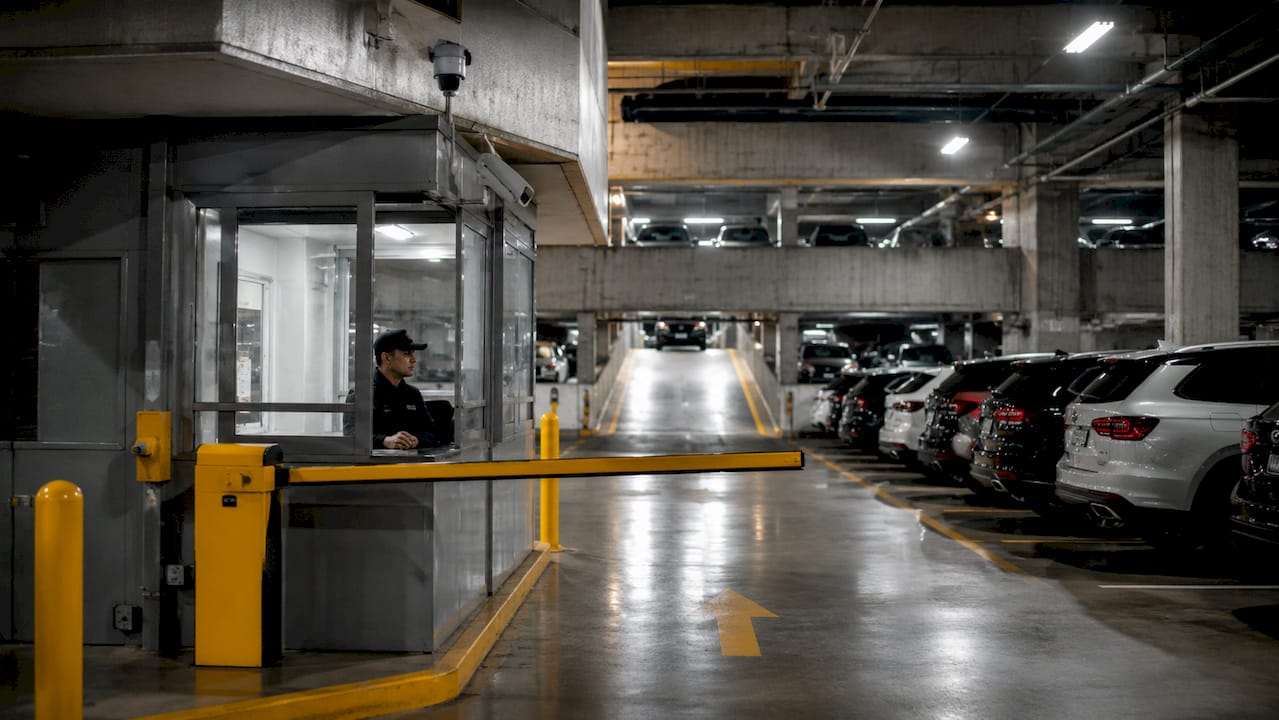
Outdoor lots vary widely. Some have cameras and a fence. Others have neither. The critical distinction is that physical on-site staffing overnight provides a much stronger deterrent against vehicle crime than cameras alone. A camera records what happens. A staff member prevents it.
Security is a spectrum, not a binary. A lot that advertises "secure parking" may have a gate that stays open, cameras that are not monitored, or lighting that fails after midnight. Before booking, verify these specific features:
- Gated access with controlled entry and exit (not just a barrier arm)
- CCTV cameras that are actively monitored, not just recorded
- On-site staff present 24 hours, including overnight
- Adequate lighting in every section of the facility, not just the entrance
- Clear emergency contact information posted at the facility
Pro Tip: Ask the facility directly: "What hours is staff physically on site?" A vague answer is a red flag. A specific answer with a name and phone number is a green light.
Outdoor lots near cruise ports sometimes compensate with fencing and camera systems, but the absence of a roof means the structure itself cannot restrict access the way an enclosed garage does. For travelers parking family vehicles for a week or more, that structural difference matters.
How does environmental protection benefit vehicles in indoor parking?
Indoor parking protects vehicles from every form of weather damage that outdoor lots cannot block. UV exposure, rain, bird droppings, and temperature swings degrade paint, dry out rubber seals, and stress mechanical fluids over time. A week in direct sun does measurable damage to a vehicle's clear coat. Two weeks compounds it.
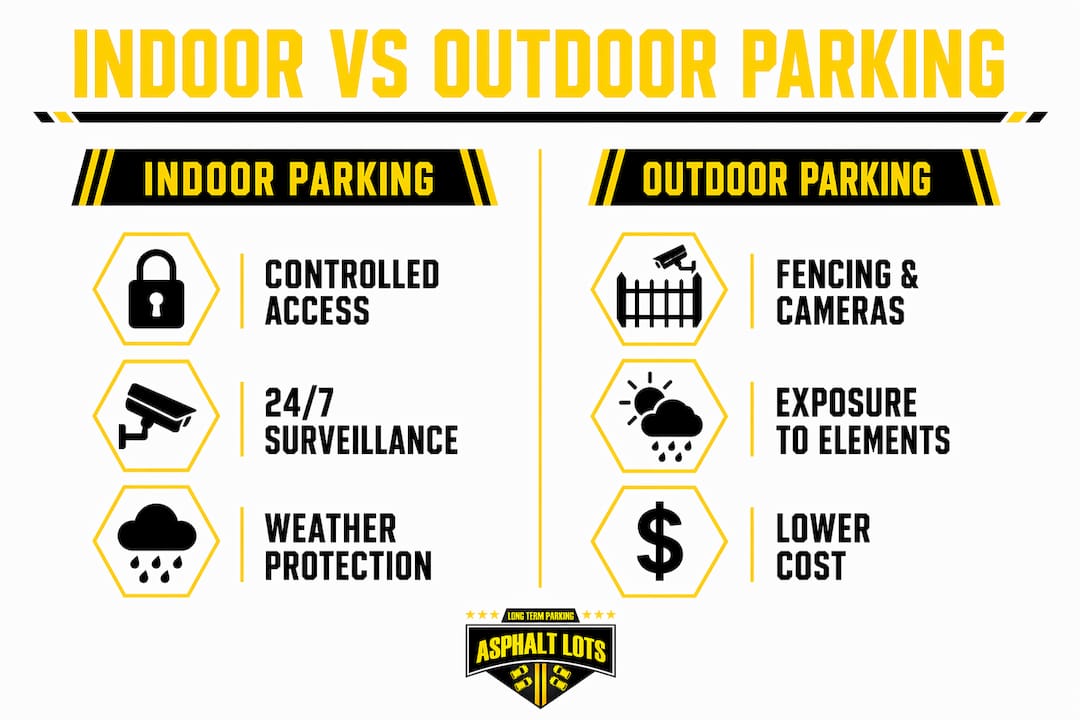
Temperature stability inside a garage also protects the battery and engine fluids. Outdoor lots expose vehicles to full thermal cycling, where temperatures rise sharply during the day and drop at night. That cycling accelerates battery discharge and causes rubber components to expand and contract repeatedly.
The specific risks outdoor parking creates for family vehicles include:
- Paint oxidation and fading from direct UV exposure
- Windshield stress from rapid temperature changes
- Battery drain from heat and cold cycling
- Tire degradation from prolonged UV contact
- Corrosion risk from rain and standing water near the vehicle
Pro Tip: If you must use an outdoor lot for a short cruise, park under any available shade structure and check your tire pressure before you leave. Heat causes pressure to rise, and returning to an overinflated tire after a week in the sun is a common surprise.
Covered or partially covered outdoor lots offer a middle ground. They block direct sun and rain but still expose vehicles to wind, humidity, and temperature swings. For cruises of three to five nights, a covered outdoor lot with solid security may be adequate. For longer trips, enclosed parking is the better choice for protecting your vehicle's condition.
What are the cost and convenience trade-offs for cruise parking?
Price is the most common reason travelers choose outdoor lots over indoor garages. Off-site parking near cruise ports typically costs $8–$15 per day, while on-site port parking runs $5–$15 per day higher. Booking online in advance reduces rates by 20–30% at most facilities. That savings is real and worth capturing.
The cost gap narrows when you factor in shuttle service, vehicle condition on return, and trip length. For cruises longer than seven nights, the breakeven point for bundled park-and-cruise packages shifts the math significantly. A cheaper outdoor lot that costs $10 per day saves $70 on a seven-night trip. If that lot damages your vehicle or causes a stressful return, the savings disappear quickly.
Here is how the key trade-offs break down by trip length:
- Cruises of 3–5 nights: Off-site outdoor lots with shuttle service offer the best value. Security requirements are lower because the exposure window is shorter.
- Cruises of 6–9 nights: Indoor parking becomes more competitive on value. Vehicle condition risks from outdoor exposure increase with each additional day.
- Cruises of 10+ nights: Indoor parking is the clear choice. Battery and tire degradation from extended outdoor exposure can create mechanical problems that cost far more than the parking savings.
Shuttle reliability is a separate cost factor that travelers often underestimate. Shuttle wait times of 30–45 minutes on return day add real stress, especially after a long voyage. Ask any facility how frequently shuttles run on disembarkation days before you book. A facility that cannot answer that question specifically has not thought through the return experience.
For a detailed breakdown of multi-day parking rates and how costs shift with trip length, the math is worth reviewing before you commit to a facility.
What practical tips help travelers choose secure cruise parking?
The single most reliable signal of parking quality is independent traveler reviews. Lots with 4.2+ star ratings across hundreds of reviews consistently deliver better experiences than marketing claims alone. Read the one-star reviews specifically. They reveal the actual failure points: shuttle delays, security incidents, and billing problems.
Before booking any facility, verify these items directly with the operator:
- Confirmed 24/7 on-site staff presence (not just camera monitoring)
- Shuttle frequency and schedule on embarkation and disembarkation days
- Access hours and whether you can retrieve your vehicle at any time
- Emergency contact number that reaches a person, not a voicemail
- Whether the facility is enclosed or partially covered
Vehicle preparation matters as much as facility selection. For trips exceeding seven days, check your battery condition and tire pressure before parking. Remove all valuables from the vehicle, including items in the trunk. A parking facility's security protects the vehicle exterior. It does not protect what is inside if a window gets broken.
Pro Tip: Take photos of your vehicle from all four sides before you park. Timestamp them with your phone. This takes two minutes and gives you clear documentation if you return to any damage.
Use a cruise parking checklist to evaluate facilities systematically rather than relying on gut feel. Red flags in facility descriptions include vague language like "monitored parking," no mention of staffing hours, and no published shuttle schedule. Trustworthy facilities publish specific details because they have nothing to hide.
How do indoor and outdoor parking affect long-term vehicle health?
Extended outdoor parking degrades vehicles in ways that are not always visible on return. Long-term outdoor exposure accelerates paint oxidation, weakens battery charge capacity, and causes flat-spotting on tires that sit stationary for more than a week. Flat-spotting occurs when a tire develops a slight deformity from sustained pressure on one contact point. It usually resolves after driving, but severe cases require tire replacement.
Battery drain is the most common mechanical problem travelers encounter after outdoor parking. Heat accelerates battery discharge. A battery that was marginal before the cruise may not start the vehicle on return. Indoor parking's temperature stability directly reduces this risk.
Indoor parking preserves resale value by preventing the cumulative weather-related wear that outdoor storage creates. A vehicle parked indoors for 20 cruises over five years will show meaningfully less paint degradation and mechanical wear than one parked outdoors for the same trips. That difference shows up in trade-in assessments.
Outdoor parking is reasonable for short trips when the facility has adequate security and the vehicle is in good mechanical condition. For any trip longer than a week, the vehicle health argument for indoor parking is strong and the cost difference is modest relative to the protection gained.
Key Takeaways
Secure indoor parking beats outdoor lots for cruise travelers on every measure that matters for long-term vehicle safety, and the cost difference is smaller than most travelers expect.
| Point | Details |
|---|---|
| Security requires physical staff | Facilities with 24/7 on-site staff deter crime far more effectively than camera-only lots. |
| Indoor parking protects vehicle condition | Enclosed facilities prevent UV damage, battery drain, and tire degradation during extended trips. |
| Cost gap narrows with trip length | For cruises over seven nights, indoor parking's vehicle protection outweighs its higher daily rate. |
| Shuttle reliability shapes the return experience | Confirm shuttle frequency before booking. A 30–45 minute wait on return day erases convenience gains. |
| Independent reviews reveal real quality | Facilities with 4.2+ star ratings across hundreds of reviews consistently outperform their marketing claims. |
What I've learned after watching travelers make the same parking mistake
The most common mistake I see cruise travelers make is treating parking as the last decision rather than the first. They book the cruise, book the hotel, book the excursions, and then scramble to find parking the week before departure. That scramble almost always leads to choosing the cheapest available option rather than the right one.
The cheapest outdoor lot rarely costs you money at the lot. It costs you money on the return, when the shuttle runs once an hour and your battery is dead and you are standing in a parking lot at 9:00 PM after a 14-hour disembarkation day. I have heard that story more times than I can count.
The travelers who have the best experience do three things. They book indoor parking at least two weeks in advance. They confirm shuttle schedules in writing. And they prepare their vehicle before they leave, not after they return to a problem.
The indoor vs outdoor parking comparison is not really about price. It is about what your vehicle is worth to you and how much stress you want on the back end of a trip that was supposed to be relaxing. For a seven-night cruise, the difference between a $10-per-day outdoor lot and a $15-per-day indoor garage is $35. That is not a meaningful financial decision. It is a comfort decision.
Asphaltlotsva is 15 minutes from Norfolk and offers exactly the kind of facility I would recommend: gated, staffed around the clock, and with a shuttle schedule that is published and reliable. For frequent cruisers, the VIP Unlimited Parking Membership removes the reservation stress entirely. That is the kind of detail that matters when you are trying to enjoy a cruise rather than manage logistics from the ship.
— Martin
Secure parking for your next cruise from Norfolk
Travelers who park at Asphaltlotsva leave knowing their vehicle is inside a gated, enclosed facility with 24/7 surveillance and on-site staff. The facility sits just 15 minutes from Norfolk's cruise terminal, and the free shuttle runs on a schedule built around embarkation and disembarkation days.
Frequent cruisers can lock in guaranteed availability through the VIP Unlimited Parking Membership, which includes priority shuttle service and reserved spots on cruise days. For travelers who want to book a single trip, secure indoor parking with advance online reservations is available at competitive rates. Asphaltlotsva is a veteran-owned facility built specifically for cruise travelers who want their vehicle protected, not just parked.
FAQ
What is the main difference between indoor and outdoor cruise parking?
Indoor parking provides an enclosed, gated structure with controlled access and full weather protection. Outdoor lots offer open-air spaces with variable security and no protection from sun, rain, or temperature changes.
Is indoor parking worth the higher cost for a cruise?
For cruises longer than seven nights, indoor parking is worth the added cost. The protection it provides against battery drain, tire degradation, and paint damage typically outweighs the daily rate difference.
What security features should I verify before booking cruise parking?
Confirm 24/7 on-site staff presence, active CCTV monitoring, gated controlled access, and consistent lighting throughout the facility. Vague claims like "monitored parking" without specific staffing hours are a red flag.
How does shuttle service affect the parking experience?
Shuttle wait times of 30–45 minutes on return day significantly increase traveler stress. Always confirm shuttle frequency and schedule for disembarkation days before booking.
How do I protect my vehicle if I must use outdoor parking?
Check tire pressure and battery condition before parking, remove all valuables from the vehicle, and photograph the car from all four sides with a timestamp. Choose a covered outdoor lot with physical on-site staff over an uncovered lot with cameras only.