Indoor cruise parking is covered, secured vehicle storage near a cruise terminal, built around 24/7 surveillance, controlled access, and a shuttle that gets you and your luggage to the ship. It costs more than an open-air lot, but for the right traveler that extra cost buys peace of mind you can actually measure.
Who benefits most:
- Frequent cruisers who sail multiple times a year and want a guaranteed spot instead of a gamble
- Anyone leaving for a long voyage, since a car sitting exposed for two weeks is a different risk than a weekend trip
- Owners of high-value, classic, or specialty vehicles who don't want rain, sun, or strangers near their paint
- Military personnel heading out on deployment who need storage measured in months, not days
If you're weighing your options near Norfolk, Asphalt Lots is one of the strongest indoor providers in the region, and the rest of this guide explains exactly why.
Key Takeaways
Frequent cruisers get the most value from indoor parking when they prioritize a guaranteed reserved spot and reliable shuttle timing over the lowest price per day.
| Point | Details |
|---|---|
| Indoor beats outdoor for long trips | Covered, monitored parking protects against weather and theft risk during multi-day or multi-week cruises. |
| Confirm shuttle windows in advance | Ask about first and last shuttle times, since missing the window can mean a rushed embarkation. |
| Document your vehicle at drop-off | Photos and mileage logging at intake protect you if a condition dispute comes up at pickup. |
| Get cancellation terms in writing | Refund cutoffs and rebooking fees vary by provider, so confirm the policy before you pay. |
| Consider a membership for repeat trips | Asphalt Lots' VIP Unlimited Parking Membership guarantees a reserved spot and priority shuttle access for frequent Norfolk-area cruisers. |
Table of Contents
- What Is Indoor Cruise Parking, and How Is It Different From an Outdoor Lot?
- What Should You Expect From Shuttle and Terminal Transfer Logistics?
- How Do You Choose the Right Indoor Cruise Parking Provider?
- What's the Best Day-of Checklist for Drop-Off and Pickup?
- What Should You Know About Long-Term Indoor Vehicle Storage?
- What Are Typical Cancellation and Refund Policies for Indoor Cruise Parking?
- What Extra Services Do Indoor Cruise Parking Facilities Offer?
- The Case for Prioritizing Guarantees Over Price
- Why Frequent Cruisers Choose Asphalt Lots for Reserved Indoor Parking
- Frequently Asked Questions
- Sources
What Is Indoor Cruise Parking, and How Is It Different From an Outdoor Lot?
An outdoor cruise lot is a fenced field with a gate attendant. Indoor cruise parking is a building: a roof over your car, walls around it, and cameras watching it around the clock. That difference matters more than it sounds like on paper.
Weather and salt air do real damage over a week or two. Indoor facilities protect against both, while outdoor lots leave paint, trim, and rubber seals exposed to sun, wind, and coastal humidity the entire time you're at sea. Reputable indoor lots also tend to photograph your vehicle and log mileage at drop-off, which protects you if there's ever a dispute about condition on return.
- Security: CCTV and access control indoors versus a fence and a roaming attendant outdoors
- Intake: photos and mileage logging indoors, often just a ticket and keys outdoors
- Cost: indoor typically runs higher per day, but it earns that premium on long cruises, bad-weather seasons, or when the vehicle itself is worth protecting
A quick number to know: indoor parking commonly costs more than outdoor lots for week-long cruises, with outdoor rates often landing in the $125 to $180 range and indoor climbing past $200 depending on the port and extras. The gap narrows the longer your trip runs, since the daily protection adds up.
What Should You Expect From Shuttle and Terminal Transfer Logistics?
Shuttle timing trips up more cruisers than almost anything else on embarkation morning. Miss the window and you're either scrambling for a rideshare or standing at curbside with four suitcases and no plan.
Here's the sequence that actually plays out at most ports:
- Lot opens early. At Norfolk's official Cedar Grove lot, gates open around 9:30 AM on cruise days, with the first shuttle departing about 15 minutes later.
- Shuttles run on a loop until early afternoon. Cedar Grove's last shuttle typically leaves around 2:30 PM, so arriving late in the window can mean a tight connection to boarding.
- Luggage handling splits three ways. Some lots let you check bags at the lot for transfer straight to the ship, some route through valet where staff handle the vehicle and bags together, and some are simple curbside drop where you carry everything yourself.
- ADA passengers should confirm accessibility ahead of time. Norfolk's port offers ADA-accessible shuttle service, but a quick call to confirm lift availability and boarding assistance saves stress on the day.
Valet, port lots, and private indoor facilities each handle the vehicle-to-terminal handoff differently, and confirming the exact flow in advance, including whether keys are retained, avoids surprises.
Pro Tip: Call your parking provider the week before your cruise and ask two questions: what time does the last shuttle leave, and does a membership or reservation get you priority loading? The answers change how early you should plan to arrive.
How Do You Choose the Right Indoor Cruise Parking Provider?
Not every indoor lot delivers on what its website promises. Before you hand over your keys for a week or two, run through a real checklist instead of trusting a glossy homepage.
Security fundamentals to verify:
- CCTV coverage across the entire lot, not just the entrance
- Gated, controlled access with staff present, not just a keypad
- A documented incident reporting process
- Willingness to share their incident history if you ask directly
Reservation and shuttle questions that matter:
- Is your spot guaranteed, or is it first-come, first-served on peak cruise days?
- What's the cancellation policy if your cruise dates shift?
- Does a membership or loyalty tier come with any real perks, or is it just a discount?
- How often do shuttles run, and do members get priority loading over walk-ins?
- How long does the actual transfer take from lot to terminal?
Service restrictions catch people off guard too. Ask about vehicle size limits, whether RVs or oversized trucks are accepted, whether EV charging is available if you drive electric, and what storage conditions apply if your car sits for more than a week. Providers claiming free shuttle service don't always disclose capacity limits or last-shuttle times, so get those specifics in writing.
Finally, ask for documentation. A legitimate provider will give you written confirmation of your reservation, their insurance coverage, and their cancellation terms before you pay a dollar. If a provider won't put it in writing, that's your answer about whether to trust them with two weeks of your car.
What's the Best Day-of Checklist for Drop-Off and Pickup?
A little prep 48 to 72 hours out saves you from a chaotic embarkation morning. Follow this order and you'll walk onto the ship without wondering if you forgot something.
- 72 to 48 hours before departure: Confirm your reservation and shuttle times directly with the lot. Remove valuables from the glove box and trunk. Take photos of your car's exterior and note the odometer reading yourself, even if the facility does it too.
- Embarkation morning: Arrive inside the provider's recommended window, not right at the last shuttle cutoff. Follow intake staff instructions for where to park and how bags get handled. Keep your confirmation number or ticket somewhere accessible, not buried in a suitcase.
- Return day: Submit your vehicle retrieval request as early as the provider allows, since some lots need lead time to pull cars from storage. Inspect the vehicle against your pre-drop photos before you leave the lot. Report any issue on the spot, in person, rather than after you've driven away. Keep the provider's contact number saved in your phone the whole trip, just in case.
Skipping the photo step is the most common regret cruisers mention after a dispute over a scratch or dent. It takes thirty seconds and it's the single easiest way to protect yourself if a disagreement comes up later.
What Should You Know About Long-Term Indoor Vehicle Storage?
Short-term covered parking and true long-term storage aren't the same service, even when they happen in the same building. A week-long cruise is straightforward covered parking. A deployment lasting months calls for climate-controlled storage with a different set of expectations.
Before handing over a car for extended storage, confirm a few things in writing:
- Whether the facility uses a battery tender to prevent a dead battery after weeks of sitting
- Their recommendation on fuel level (usually a mostly full tank to prevent condensation)
- Tire pressure checks during long storage periods
- That your auto insurance stays active for the full storage duration
Pro Tip: Ask specifically about access windows and retrieval lead time before you sign a long-term storage agreement. Some facilities need 24 to 48 hours' notice to pull a vehicle out of deep storage, which matters if your return date shifts.
Also nail down what the contract says about maintenance checks during storage and whether any fees apply beyond the base rate, since some providers charge extra for battery service or add-on cleaning.
What Are Typical Cancellation and Refund Policies for Indoor Cruise Parking?
Cruise plans change, and your parking reservation should be able to change with them. Most reputable indoor providers build flexibility into their policies, but the specifics vary enough that you shouldn't assume.
A typical policy structure looks like this: full refunds for cancellations made a set number of days before your parking date, a partial refund or credit for shorter notice, and no refund for same-day no-shows. Some providers offer date changes at no charge if your cruise line reschedules the sailing, which happens more often than travelers expect with weather delays or itinerary changes.
Membership programs often add a layer of flexibility that pay-per-visit reservations don't have. If you're locked into a monthly VIP membership, a single missed cruise date usually doesn't cost you anything extra, since the reservation guarantee rolls into your next sailing instead of expiring.
Before booking, ask the provider directly: What's the cutoff for a full refund? Is there a rebooking fee? Do membership holders get different cancellation terms than one-time customers? Get the answer in writing, not just a verbal assurance at the counter. A provider that hesitates to spell out its refund policy clearly is telling you something about how they'll handle a dispute later.
What Extra Services Do Indoor Cruise Parking Facilities Offer?
The best indoor lots do more than just store your car. Because vehicles sometimes sit for a week or two, several facilities have built out services around exactly that problem.
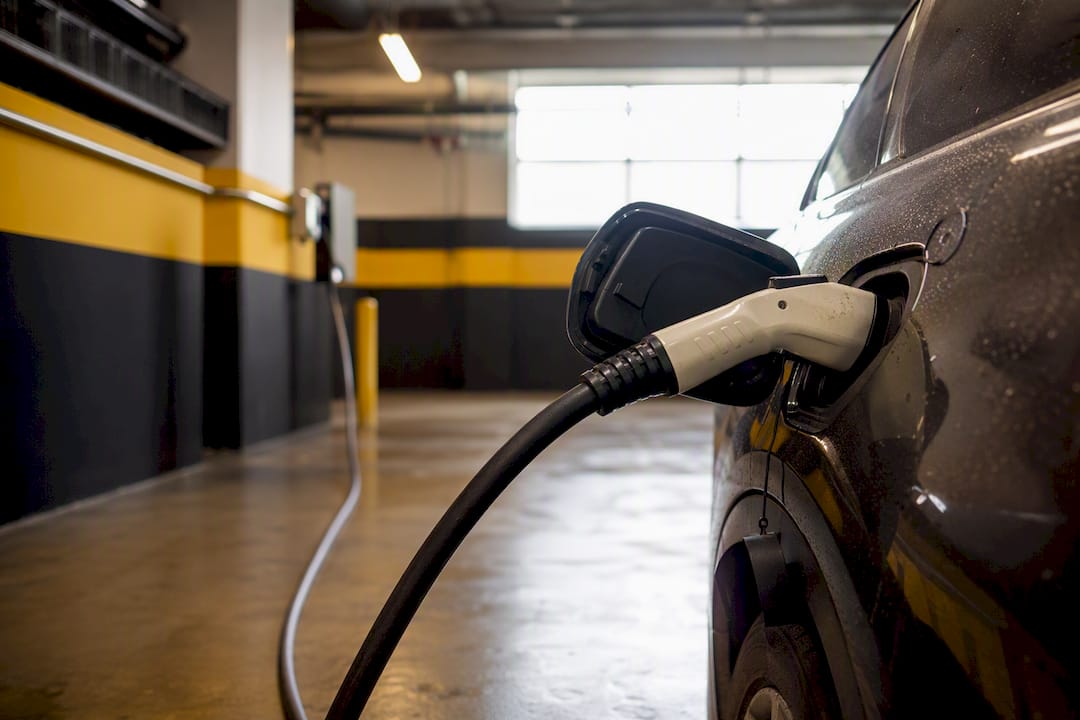
Battery charging or trickle-charging is common at facilities equipped for longer stays, preventing the dead-battery surprise that hits owners returning from a ten-day cruise. Some lots also offer basic exterior washing or detailing as an add-on, so you come home to a clean car instead of one covered in road film from the drive in.
A smaller number of facilities offer light maintenance checks, such as verifying tire pressure or checking fluid levels, particularly for customers on extended storage plans tied to deployments or long trips. These aren't full-service auto shops, so don't expect an oil change, but a basic visual check before you drive off can catch a problem before it becomes one on the highway.
Ask what's included versus what costs extra. A facility that bundles battery maintenance into a VIP membership is offering more real value than one that charges a la carte for every add-on. The difference between "included" and "available for an additional fee" is worth clarifying before you sign up, especially if you're comparing a membership tier against a one-time booking.
The Case for Prioritizing Guarantees Over Price
Most advice about cruise parking treats it like a commodity: find the cheapest lot, park the car, move on. That framing misses what actually goes wrong on embarkation day. It's rarely the price that ruins someone's morning. It's showing up to a "first-come, first-served" lot that's already full, or standing at a curb wondering if the shuttle already left.
Frequent cruisers understand this instinctively, which is why membership guarantees resonate more with repeat travelers than with someone parking once a year. A guaranteed spot on a busy Saturday sailing is worth more than a five dollar discount on an outdoor lot, because the cost of uncertainty is your own stress and, potentially, your boarding time.
The conventional advice to "book early and hope" undersells how variable valet and port-handling procedures actually are from terminal to terminal and cruise line to cruise line. If your trips are occasional, that variability is a minor annoyance. If you cruise several times a year, it's a recurring tax on your patience. Prioritize the provider that removes the guesswork first, then compare price among the ones that clear that bar.
Why Frequent Cruisers Choose Asphalt Lots for Reserved Indoor Parking
If you're sailing out of Norfolk more than once a year, the math on a guaranteed spot changes fast. Asphalt Lots is a veteran-owned facility located about 15 minutes from the Norfolk cruise terminal, built specifically around the problems this guide just walked through: weather exposure, uncertain shuttle timing, and the anxiety of leaving a car somewhere you can't watch it.
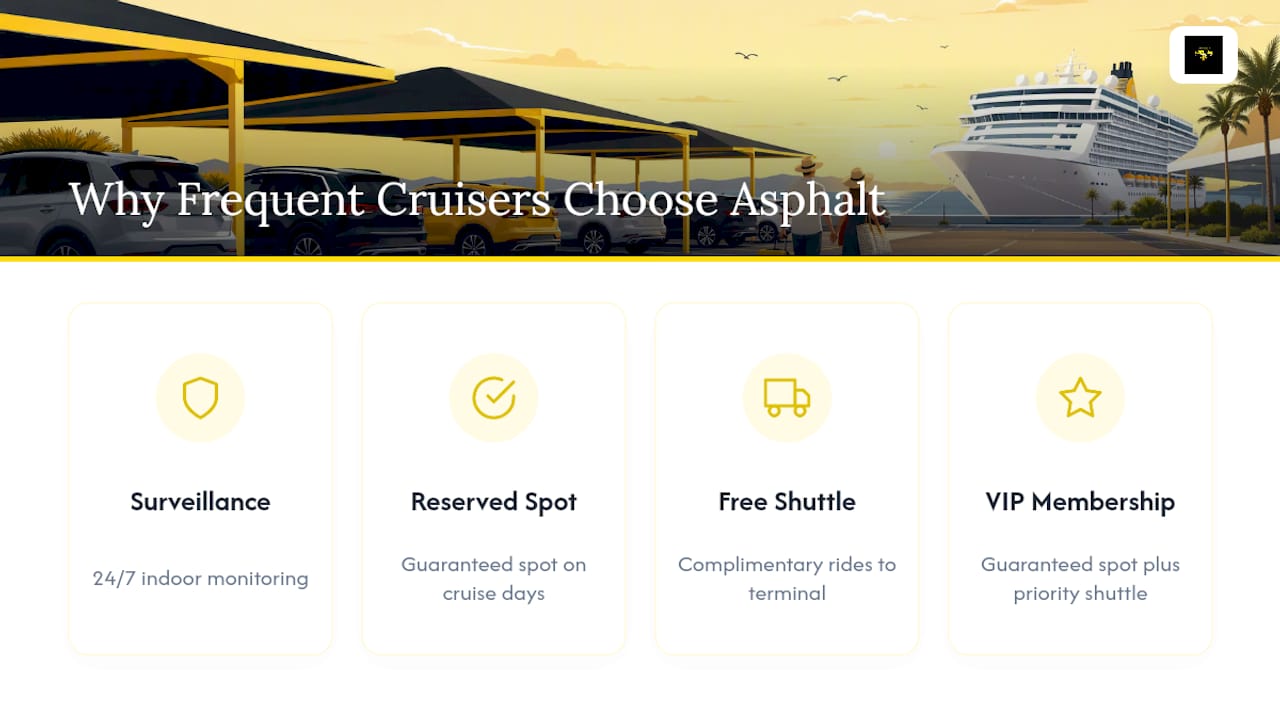
Every vehicle sits under 24/7 surveillance in a secured indoor facility, with reserved spots and a free shuttle straight to the terminal. Long-term storage is available for deployments and extended trips, not just week-long cruises.
The standout offering is the VIP Unlimited Parking Membership. It guarantees a reserved spot on every cruise day, no exceptions, plus priority shuttle loading so members aren't waiting behind walk-in customers. For frequent cruisers, that guarantee alone often justifies the membership over paying per visit.
If you're planning an upcoming sailing, check current parking rates and membership options and get your spot reserved before your next cruise date.
Frequently Asked Questions
Is indoor cruise parking worth the extra cost compared to an outdoor lot? For short trips in mild weather, an outdoor lot often does the job fine. For cruises longer than a week, high-value vehicles, or storms and salt-air seasons, the added protection from indoor parking tends to outweigh the price difference.
How far in advance should I book indoor cruise parking? Book as soon as your cruise is confirmed, since indoor facilities recommend advance booking because spaces fill up, especially around holidays and peak cruise season.
Does a parking membership actually save frequent cruisers money? It depends on how often you sail, but the bigger benefit is usually certainty rather than raw savings: a guaranteed reserved spot and priority shuttle access on every cruise date, without rebooking each time.
What happens if my cruise gets rescheduled after I've already booked parking? Most providers offer some flexibility for cruise line reschedules, but the exact terms, whether it's a free date change or a partial credit, vary by facility, so confirm the specific policy before you book.
Can I request maintenance or cleaning while my car is in long-term storage? Some indoor facilities offer battery charging, basic maintenance checks, or cleaning as add-on services, particularly for extended storage tied to deployments. Ask what's included in your plan versus billed separately.
Sources
- CruiseNorfolk - Frequently Asked Questions
- Indoor vs Outdoor Southampton Cruise Parking » Information Hood
- Indoor & Covered Cruise Parking in Galveston | Port Parking