
Leaving your car behind while you board a cruise ship sets off a chain of mechanical and environmental changes that most travelers never consider. What happens to your car during a cruise is primarily a story of inactivity: batteries drain, tire pressure drops, fluids settle, and rodents scout for shelter. Understanding these effects before you leave gives you a real advantage. The right preparation and parking choice, whether at a port garage, a private facility like Asphaltlotsva, or a hotel lot, determines whether your car is road-ready when you return.
What happens to your car during a cruise: inactivity effects
A parked car is not a resting car. Several systems degrade the moment your engine stops running for an extended period.
Battery drain is the most common problem cruise travelers face. Modern vehicles carry dozens of electronic modules, from keyless entry receivers to alarm systems, that draw small amounts of power continuously. This is called a parasitic load. Battery drain from parasitic loads can leave you stranded at the port parking lot after a 10-day trip if you do nothing to prevent it.
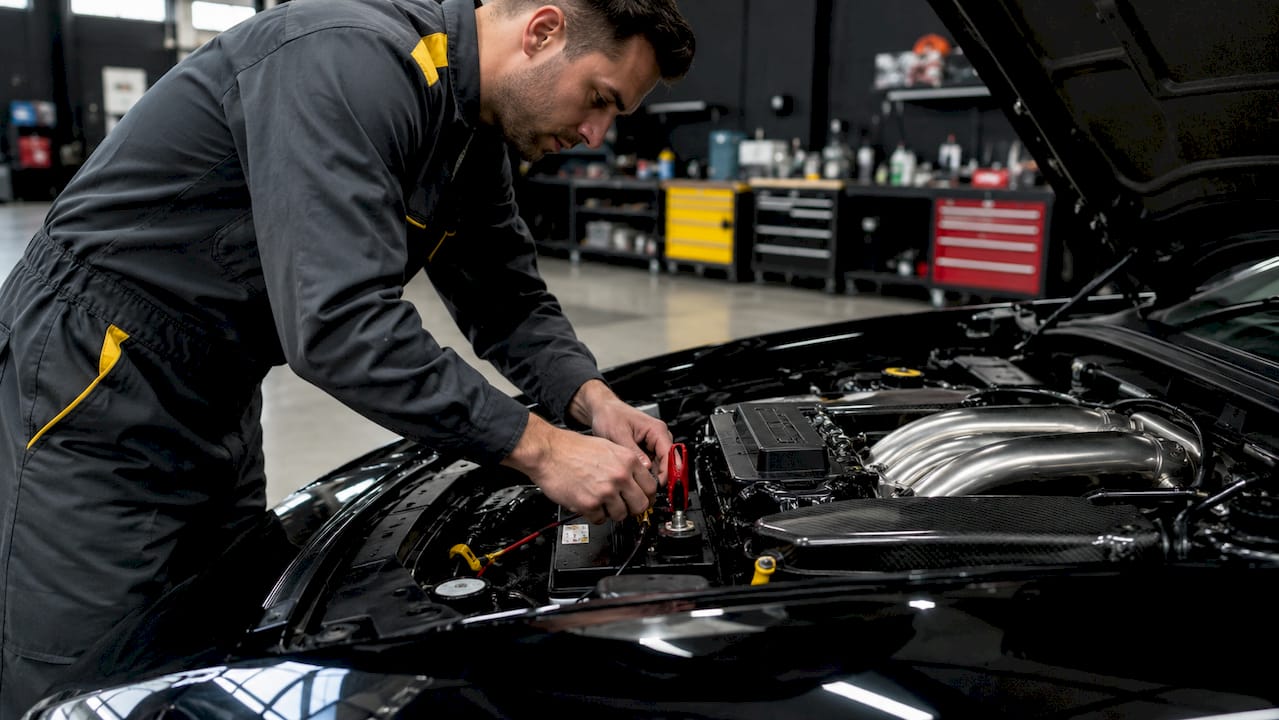
Tire flat spots are a close second. Tire pressure drops gradually when a car sits still, and the weight of the vehicle pressing on one contact patch can create a temporary flat spot. Flat spotting is an overlooked risk especially when temperatures fluctuate during storage. You may notice a thumping sensation for the first few miles after your return until the tires warm up and round out.
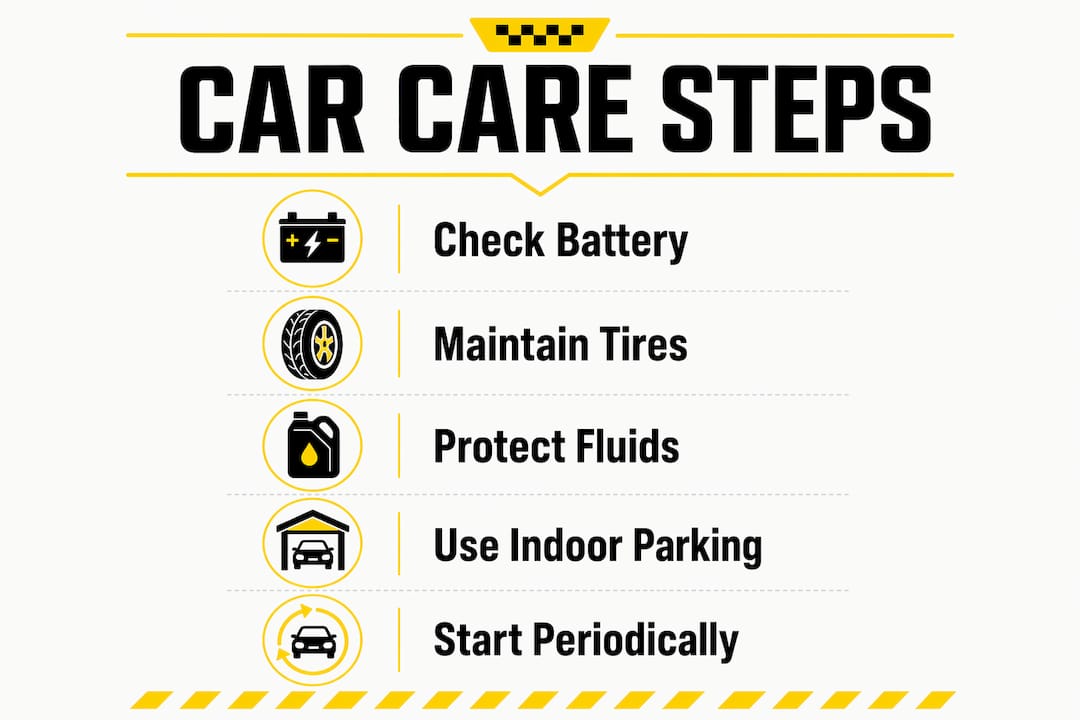
Fluid degradation is slower but real. Engine oil, brake fluid, and coolant are designed to circulate. When a car sits for weeks, oil can begin to separate and moisture can enter the system. Extended parking causes gradual oil degradation even when mileage is low, which is why a short drive before you leave helps circulate everything one last time.
Rodent damage is the risk nobody talks about until it happens to them. Rodents are attracted to parked vehicles especially in cooler months, and they can chew through wiring harnesses, hoses, and insulation in a matter of days. An outdoor, unsecured lot multiplies this risk significantly.
Here is a quick summary of the main inactivity risks:
- Battery: Parasitic drain over 7–14 days can kill a standard 12-volt battery
- Tires: Pressure loss and flat spots from prolonged static weight
- Fluids: Oil and brake fluid moisture absorption over 2+ weeks
- Wiring: Rodent chewing in outdoor or poorly secured lots
- Exterior: UV fading, bird damage, and weather exposure in uncovered spaces
Pro Tip: If your cruise runs longer than two weeks, ask a trusted friend or family member to start your car and drive it around the block once. Even a 10-minute drive circulates fluids, charges the battery, and prevents flat spots from setting in.
Does cruising speed before your trip affect fuel efficiency?
How you drive to the port matters more than most people realize. The way your car performs at highway speeds directly affects fuel consumption, engine wear, and the condition your car is in when you park it.
Cruise control maintains stable RPM between 2,000 and 3,000, preventing unnecessary throttle changes. That stability translates to fuel savings of 5–10% on flat terrain compared to manual throttle management. For a 200-mile drive to a port like Norfolk, that difference adds up in both dollars and engine stress.
Speed matters just as much as consistency. Increasing speed from 50 mph to 80 mph raises energy consumption by up to 63% in electric vehicles. That figure illustrates a principle that applies to combustion engines too: aerodynamic drag grows exponentially with speed, so every mile per hour above 70 costs you disproportionately more fuel.
Aggressive driving reduces fuel efficiency by about 19% and increases CO2 emissions by 40% compared to steady cruising. That kind of wear before a long parking period means your car arrives at the lot already stressed.
There is one important nuance. Cruise control can increase fuel consumption by 2–5% on hilly or winding roads because the system aggressively holds speed on climbs instead of easing off like a human driver would. If your route to the port includes significant elevation changes, consider managing the throttle manually on those stretches.
Adaptive cruise control adds another layer of complexity. Miscalibrated sensors in adaptive systems can cause unexpected braking or acceleration, which introduces wear and reduces the efficiency gains you would otherwise get. If your vehicle uses radar or camera-based adaptive cruise control, confirm the sensors are clean and calibrated before a long drive.
Pro Tip: For the best fuel economy on your drive to the port, set cruise control between 60 and 65 mph on flat highway sections. Disengage it on hills and re-engage once you return to level road.
Key takeaways on cruising speed and car performance at cruising speed:
- Steady highway speeds with cruise control cut fuel use by 5–10% on flat roads
- Speeds above 70 mph create sharply higher drag and fuel costs
- Hilly terrain can make cruise control less efficient than manual throttle control
- Aggressive pre-trip driving compounds wear before a long parking period
What are the best parking options for cruise travelers?
Where you park your car during a cruise is as important as how you prepare it. The wrong lot can undo every maintenance step you took before leaving.
Port facilities vs. hotel lots vs. private garages
Port-adjacent parking is the most convenient option, but convenience comes at a cost. Many port facilities are open-air, which exposes your vehicle to weather, UV damage, and rodents. Rates at major ports can run significantly higher than off-site alternatives, and availability during peak cruise season is not guaranteed.
Hotel lots near cruise terminals offer a middle ground. Some hotels bundle free parking with a one-night stay, which works well if you have an early departure. The tradeoff is that hotel lots are rarely monitored specifically for long-term vehicle storage, and security varies widely.
Private garages and dedicated parking facilities offer the strongest combination of security and value for trips longer than a week. Indoor parking prevents weather and rodent damage. Facilities with 24-hour surveillance and shuttle service to the terminal remove the two biggest stressors: vehicle safety and getting to the ship on time. Asphaltlotsva, located 15 minutes from Norfolk, provides exactly this setup, with indoor parking, round-the-clock surveillance, and a free shuttle to the cruise terminal. The Carnival Cruise Parking Garage Norfolk VA is a concrete example of a facility built specifically for cruise travelers.
Here is a comparison of the three main parking options:
| Parking Type | Security | Weather Protection | Shuttle Service | Typical Cost |
|---|---|---|---|---|
| Port facility | Moderate | Usually none | Sometimes | High |
| Hotel lot | Low to moderate | Rarely | Rarely | Moderate |
| Private indoor garage | High | Yes | Often included | Moderate to low |
Pro Tip: Book your parking at the same time you book your cruise. Spots at quality facilities near major ports like Norfolk fill up weeks in advance during peak season. Waiting until the week before your departure is the fastest way to end up in an unsecured open lot.
For travelers who use hotel parking services regularly, the same principles apply: ask specifically about long-term storage policies, overnight security staffing, and whether the lot is enclosed or open-air before committing.
What maintenance steps should you take before and after a cruise?
A short checklist before you leave and a quick inspection when you return will protect your car from the most common inactivity-related problems.
Before you leave
- Fill the fuel tank and add a fuel stabilizer if your trip exceeds two weeks. A full tank reduces moisture buildup inside the fuel system.
- Check tire pressure and inflate to the manufacturer's recommended PSI. Properly inflated tires avoid flat spots during extended storage.
- Test the battery with a voltmeter or at any auto parts store. If it reads below 12.4 volts, connect a battery tender before you leave.
- Change the oil if you are within 1,000 miles of your next scheduled interval. Fresh oil is less likely to degrade during storage.
- Close all vents and gaps in the cabin to reduce rodent entry points. Stuff steel wool in the exhaust pipe opening if parking outdoors for more than a week.
- Photograph your car from all angles before parking. This protects you if any damage occurs while you are away.
After you return
- Inspect all four tires for pressure loss and any visible flat spots before driving more than a mile.
- Check under the hood for signs of rodent activity: chewed wires, nesting material, or droppings.
- Look for fluid leaks under the car before starting the engine.
- Test the battery voltage again. A battery that dropped significantly during your trip may need replacement soon.
- Drive gently for the first 10 minutes to allow fluids to circulate and tires to normalize.
These steps take less than 30 minutes total. They are the difference between a smooth return and an unexpected repair bill.
Key takeaways
Protecting your car during a cruise comes down to three things: understanding inactivity risks, driving smart on the way to the port, and choosing the right parking facility.
| Point | Details |
|---|---|
| Inactivity causes real damage | Battery drain, flat spots, and rodent damage are the top risks for parked vehicles. |
| Cruise control saves fuel on flat roads | Steady RPM between 2,000 and 3,000 cuts fuel use by 5–10% on level highway terrain. |
| Indoor parking beats open lots | Enclosed facilities with surveillance prevent weather damage and rodent intrusion. |
| Pre-trip maintenance is non-negotiable | Check tire pressure, battery health, and fluid levels before every cruise departure. |
| Book parking early | Quality facilities near major ports fill up weeks ahead during peak cruise season. |
What i've learned watching travelers overlook the obvious
Most cruise travelers spend months planning their itinerary and about 20 minutes thinking about their car. That imbalance shows up in the parking lot when they return.
The single most common mistake I see is skipping the battery check. A car that sat for 12 days in an open lot with a marginal battery is not going to start. The second most common mistake is choosing parking based purely on price. A $40 savings on parking can easily cost $300 in rodent damage repairs or a tow from a dead battery.
The cruise control question is worth addressing directly too. Using it on your drive to the port is smart on flat highway stretches. Relying on it through mountain passes or in heavy rain is a different story. Driver overreliance on cruise control reduces alertness in poor traction conditions, which is the last thing you want before a long trip away from your vehicle.
My honest recommendation: treat your car's parking situation with the same seriousness you give your cabin booking. An indoor facility with a shuttle and real security is worth the small premium. You will enjoy your cruise more when you are not wondering whether your car is sitting in the rain.
— Martin
Secure your car before you set sail
Knowing what your car faces while you are away is only half the equation. The other half is choosing a parking facility that actually protects it.
Asphaltlotsva is a veteran-owned indoor parking facility located 15 minutes from Norfolk, built specifically for cruise travelers. The facility offers round-the-clock surveillance, indoor protection from weather and rodents, and a free shuttle to the cruise terminal. The VIP Unlimited Parking Membership guarantees a reserved spot on every cruise day, with priority shuttle service and no last-minute scrambling. Book your spot at Asphaltlotsva before your cruise sells out, because the parking fills up just as fast.
FAQ
What happens to a car battery during a cruise trip?
A car battery loses charge slowly due to parasitic electronic loads even when the engine is off. A trip longer than 7–10 days can drain a weak battery completely, so use a battery tender or have someone start the car mid-trip.
Does cruise control damage your car over time?
Cruise control smooths throttle input, which actually reduces brake and drivetrain wear compared to manual driving on long highway trips. It does not damage the engine or transmission under normal use.
How long can a car sit parked before problems develop?
Most vehicles begin showing battery and tire pressure issues after 7–14 days of inactivity. Fluid degradation and rodent risk increase significantly after three weeks, especially in outdoor or unsecured lots.
Is indoor parking worth the extra cost for a cruise trip?
Indoor parking prevents weather damage, UV exposure, and rodent intrusion, all of which can cause repair costs far exceeding the price difference between an open lot and an enclosed facility. For trips longer than a week, indoor parking is the better value.
What is the best speed to drive to the cruise port for fuel efficiency?
Maintaining 60–65 mph with cruise control engaged on flat highway sections delivers the best balance of fuel economy and travel time. Speeds above 70 mph increase fuel consumption sharply due to aerodynamic drag.