Easy cruise departure is defined as a self-managed disembarkation process where you carry your own luggage off the ship as soon as local port authorities grant clearance. The cruise industry calls this "self-assist" or "easy walk-off" disembarkation. Understanding what does easy cruise departure mean locally matters most when you have a tight flight, a long drive home, or a car waiting in a nearby parking facility. This guide covers the exact procedures, local port factors, transport options, and timing strategies that separate a smooth exit from a frustrating one.
What does easy cruise departure mean in terms of disembarkation procedures?
Easy walk-off disembarkation means you carry all your bags off the ship yourself and exit as soon as the ship is cleared by local authorities. You skip the standard tagged-luggage system entirely. That distinction matters because it puts you in the first group off the ship, ahead of the crowds waiting for their bags to appear in the terminal.
The standard disembarkation process works differently. The night before arrival, you place your bags outside your cabin with a color-coded tag. Crew members move those bags to the terminal, and you collect them after disembarking in your assigned group. That process is convenient for heavy packers but adds 45 minutes to over an hour to your total exit time.
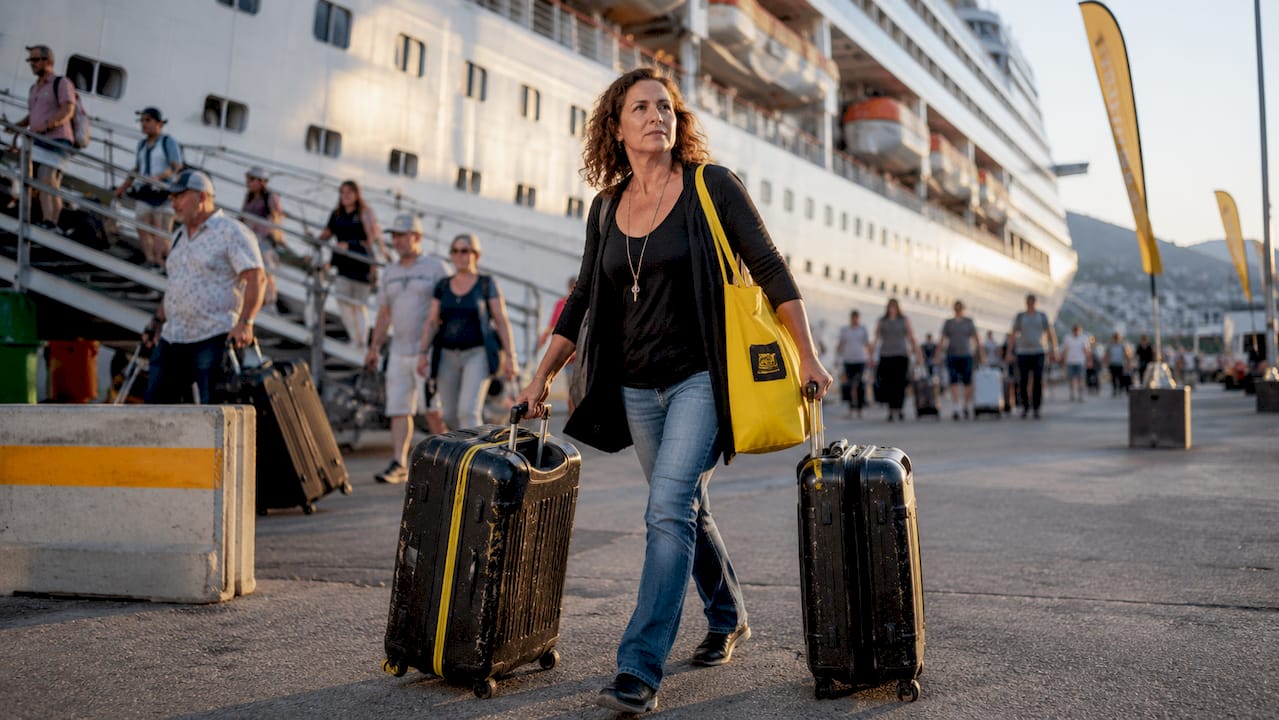
Self-assist passengers are typically first off the ship around 7:15–7:30 AM, depending on when the port grants clearance. That early window is the entire point. If you have a 10:00 AM flight or a two-hour drive ahead, being off the ship before 8:00 AM changes everything.
Cruise operators treat easy departure as a procedural choice, not a fixed policy. They offer it to reduce terminal crowding and speed up turnaround. You benefit from the speed. The ship benefits from a faster reset for the next sailing.
Key steps in the self-assist process:
- Confirm your eligibility the night before with guest services (some ships limit self-assist to specific decks or groups)
- Keep all bags in your cabin overnight rather than setting them outside
- Listen for the self-assist announcement over the ship's PA system after port clearance
- Proceed directly to the gangway with all your luggage
- Clear customs and immigration at the terminal, then head to your transport
Pro Tip: Pack a carry-on the night before with everything you need for the morning, including your travel documents, so you are ready to walk off the moment the announcement comes.
How do local port factors affect the ease of cruise departures?
Local port clearance is the single biggest variable in easy cruise departure timing. The ship may dock at 6:00 AM, but customs and immigration processing are the gating steps that control when anyone actually leaves. Port authorities in cities like Miami, Galveston, and Norfolk each operate on their own schedules and staffing levels.
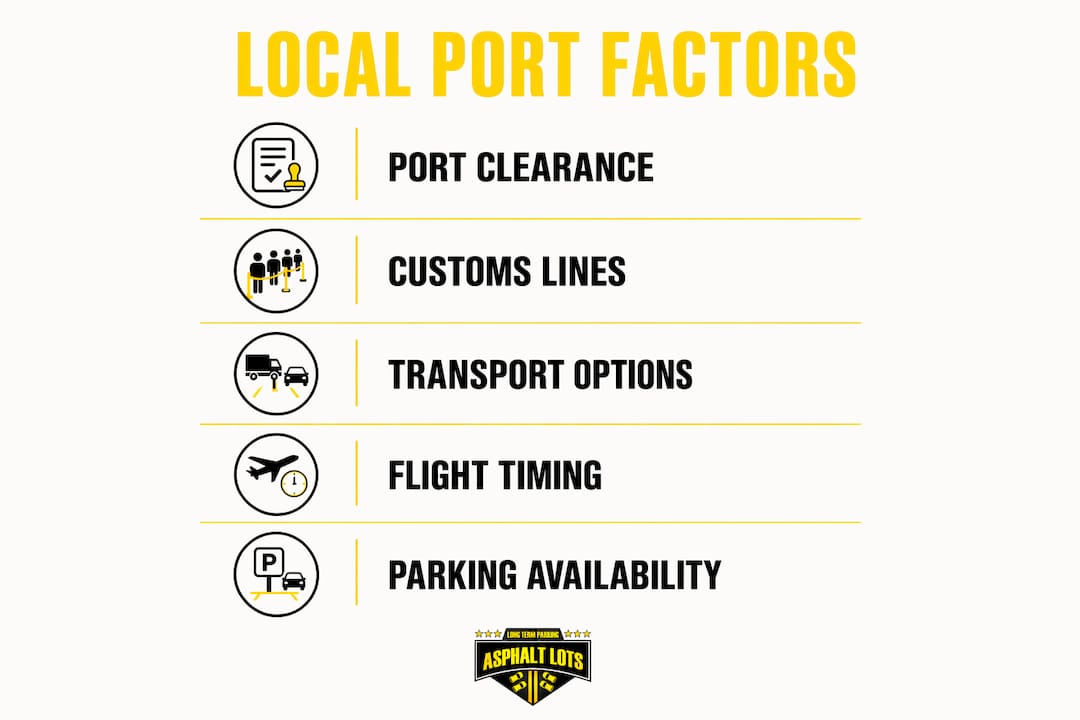
Customs and immigration lines vary sharply by port. A busy Saturday turnaround in Miami with 4,000 passengers processes differently than a mid-week arrival in Norfolk with a smaller ship. Global Entry and TSA PreCheck do not apply at cruise terminals the same way they do at airports, so even experienced travelers can face waits.
| Port Factor | Impact on Departure Ease |
|---|---|
| Port clearance timing | Determines when the first passengers can exit the ship |
| Customs staffing levels | Affects how fast immigration lines move |
| Terminal layout | Compact terminals speed up bag collection and exits |
| Distance to airport or parking | Adds 15–45 minutes to total departure time |
| Local traffic patterns | Morning rush hour can delay ground transport |
Explora Journeys recommends a minimum 4-hour buffer between ship arrival in port and your flight departure. That number accounts for clearance, customs, terminal exit, and ground transfer combined. Most travelers who miss flights underestimate this window, not the ship's schedule.
Pro Tip: Book flights departing no earlier than noon on disembarkation day. A 4-hour buffer from a 7:00 AM dock time puts your safe departure window at 11:00 AM at the earliest.
What local transport and parking options make cruise departures easier?
Ground transport is where most easy departure plans succeed or fall apart. The best transfers combine short, predictable rides with reliable pickup times and close parking access. A 15–30 minute transfer window from port to airport or parking facility is the target.
Your main options break down into four categories:
- Private car service: Fixed pickup time, no waiting for other passengers, direct route. Best for travelers with tight schedules. Booking cruise port transportation in advance locks in your pickup window and eliminates last-minute scrambling.
- Shared shuttle: Lower cost but dependent on filling the van before departure. Adds 20–40 minutes of waiting and extra stops.
- Ride-share apps (Uber, Lyft): Convenient but surge pricing and driver availability at busy terminals make timing unpredictable.
- Cruise line transfers: Reliable but expensive, and they run on the cruise line's schedule, not yours.
Parking near the terminal is the cleanest solution for local travelers driving to the port. Facilities with on-site shuttle service eliminate the transfer variable entirely. Asphaltlotsva, located 15 minutes from the Norfolk cruise terminal, offers secure indoor parking with round-the-clock surveillance and a free shuttle to the pier. Their VIP Unlimited Parking Membership guarantees a reserved spot on cruise days, which removes the single biggest stress point for frequent cruisers: arriving to find the lot full.
Hotels within a mile of the cruise terminal also serve a practical purpose. Staying overnight before embarkation day means you arrive rested, with no morning traffic risk and no rush to make the ship's boarding window.
| Transport Option | Cost Level | Timing Reliability | Best For |
|---|---|---|---|
| Private car service | High | Very high | Tight schedules, business travelers |
| Shared shuttle | Low | Moderate | Budget travelers with flexible timing |
| Ride-share (Uber/Lyft) | Moderate | Variable | Spontaneous travelers, light luggage |
| Cruise line transfer | High | High | Travelers who want zero planning |
| Port-adjacent parking with shuttle | Moderate | Very high | Local drivers, frequent cruisers |
What timing strategies do experienced travelers use for smooth cruise departures?
Timing is the skill that separates a relaxed departure from a stressful one. Most timing failures come from underestimating customs, clearance, and transfer durations, not from anything the ship does wrong.
For embarkation day:
- Check your assigned boarding window before you arrive. Cruise Nation notes that embarkation typically begins at 10–11 AM and runs until about 1–2 hours before departure.
- Arrive at your assigned window, not two hours early. Arriving exactly at your boarding time often results in faster embarkation because the initial rush has cleared.
- Have your travel documents, boarding pass, and health forms ready before you reach the terminal entrance.
- Drop your tagged luggage at the pier before parking or entering the terminal to avoid carrying it through check-in.
For disembarkation day:
- Decide the night before whether self-assist or standard disembarkation fits your luggage load and mobility.
- Set an alarm for 6:30 AM. Port clearance announcements come early, and self-assist groups board the gangway around 7:15–7:30 AM.
- Do not line up at the gangway before the clearance announcement. Premature lining up creates congestion and longer waits, not faster exits.
- Confirm your transport pickup time the night before. Give your driver or shuttle service the ship's scheduled dock time, not your estimated walk-off time.
- Build a 30-minute buffer into your transport plan for customs lines, even if you are self-assist.
The cruise transportation checklist approach works well here: treat each step as a separate task with its own time estimate rather than assuming the whole process flows without gaps.
Key Takeaways
Easy cruise departure is fastest when you combine self-assist disembarkation with pre-booked local transport and a minimum 4-hour buffer before any onward flight.
| Point | Details |
|---|---|
| Self-assist definition | Carry your own bags off the ship first, bypassing the tagged-luggage system entirely. |
| Earliest off-ship timing | Self-assist passengers typically exit around 7:15–7:30 AM after port clearance. |
| Flight buffer rule | Allow at least 4 hours between ship arrival and flight departure to clear customs and transfer. |
| Transport reliability | Pre-booked private transfers or port-adjacent parking with shuttle service give the most predictable timing. |
| Timing mistake to avoid | Lining up before clearance is announced causes congestion and longer waits, not faster exits. |
What I've learned from watching travelers get this wrong
Most travelers who have a rough disembarkation day made one of two mistakes. They either chose self-assist without honestly accounting for how much luggage they had, or they booked a flight that left no room for the customs and clearance process to run long.
Self-assist is genuinely fast if you can move all your bags without help. If you are traveling with two large suitcases, a carry-on, and a backpack, the standard tagged-luggage process is actually easier. The ship handles the heavy lifting, and you walk off light. The time difference between the two methods shrinks considerably when you factor in the physical effort of managing oversized bags through a crowded terminal.
The 4-hour flight buffer recommendation from Explora Journeys is not conservative padding. It reflects real-world port operations. I have watched travelers with 10:00 AM flights pace the terminal at 9:15 AM because customs was running slow. That stress is entirely avoidable with a later flight booking.
Local knowledge also matters more than most cruise guides admit. Knowing that Norfolk's terminal is compact and moves quickly, or that a specific port runs customs slowly on Saturday mornings, changes how you plan your entire morning. Connecting with a local parking or transport provider before your trip gives you that ground-level intelligence before you ever step off the ship.
— Martin
Asphaltlotsva: parking that fits your departure plan
Cruise travelers departing from Norfolk, Virginia have a straightforward option for removing vehicle stress from the equation entirely. Asphaltlotsva sits 15 minutes from the Norfolk cruise terminal and offers secure indoor parking with 24-hour surveillance, so your car is protected for the full length of your trip.
The free shuttle to the terminal runs on your schedule, not a shared van's. The VIP Unlimited Parking Membership reserves your spot on cruise days with guaranteed availability and priority shuttle service. For frequent cruisers who sail out of Norfolk regularly, that membership eliminates the one variable that derails an otherwise well-planned departure morning.
FAQ
What is easy walk-off disembarkation?
Easy walk-off, also called self-assist disembarkation, means you carry all your own luggage off the ship as soon as port authorities grant clearance. You skip the tagged-luggage system and are typically among the first passengers to exit, around 7:15–7:30 AM.
How early should I book my flight on disembarkation day?
Book flights departing no earlier than noon. Explora Journeys recommends a minimum 4-hour buffer between ship arrival and flight departure to account for port clearance, customs, and ground transfer time.
Is self-assist disembarkation right for everyone?
Self-assist works best if you can carry all your bags without help. Travelers with heavy or oversized luggage often find the standard tagged-luggage process faster overall, since crew handles the bags and the physical effort is removed.
What is the best local transport option near a cruise terminal?
Pre-booked private car service or a port-adjacent parking facility with a dedicated shuttle gives the most reliable timing. Shared shuttles and ride-shares introduce wait times and route variability that can compress your departure buffer.
Why do most cruise departure delays happen?
Most delays come from underestimating customs, immigration, and transfer time rather than the ship's schedule. Treating port clearance as the true start of your departure clock, not the ship's dock time, is the most effective fix.