Living near a cruise port is defined as residing within a short drive of an active cruise terminal, giving you direct access to cruise departures without flights, airport transfers, or overnight hotel stays. The advantages of living near a cruise port go well beyond convenience. Frequent cruisers save thousands annually on airfare and pre-cruise lodging, gain the ability to book last-minute deals, and enjoy lifestyle perks tied to waterfront communities. Cruise terminals also generate substantial local economic activity, supporting thousands of jobs and stimulating housing demand. This guide covers the real financial, lifestyle, and logistical benefits, plus the challenges worth knowing before you move.
1. How living near a cruise port cuts your travel costs
The most direct financial benefit of living near a cruise terminal is eliminating airfare entirely. Residents near major ports like those in South Florida can drive to the port in 15–45 minutes. That means no round-trip flights, no airport parking fees, and no pre-cruise hotel night to guarantee an on-time arrival.
Parking near major ports runs around $19 per day. That figure is significantly lower than a round-trip domestic flight plus one night at an airport hotel, which can easily exceed $400 for a couple. Over several cruises a year, the savings compound fast.
- No airfare for domestic cruise departures
- No pre-cruise hotel stay required
- No airport transfer or rideshare costs
- Parking fees replace flight costs at a fraction of the price
Pro Tip: Book your cruise parking in advance, especially during peak season. Facilities like Asphaltlotsva offer reserved spots and priority shuttle service so you never scramble for a space on embarkation day.
The convenience of cruise port access also means you keep every vacation day for the cruise itself. Travelers flying in from distant cities often lose a full day to transit before the ship even leaves the dock.
2. Lifestyle improvements that come with port proximity
Living close to a cruise ship terminal typically means living near the water, and that location carries real lifestyle advantages. Residents enjoy year-round beach access, daily outdoor walks, and mild climates that eliminate the cost and disruption of harsh winters.
Port cities invest heavily in tourism infrastructure, which benefits locals directly. Restaurants, cultural venues, transit networks, and public spaces all receive funding and attention because the port draws visitors who spend money onshore.
"The lifestyle pull of port-adjacent living is the real draw. The cruise access is a bonus that pays for itself."
Active outdoor living is easier when the beach is 10 minutes away and the weather cooperates year-round. Residents near cruise hubs in places like South Florida, the Gulf Coast, or the Virginia coast report higher rates of outdoor activity simply because the environment supports it. That kind of daily quality of life is hard to put a price on.
3. Economic impact on local jobs and housing
Cruise terminals generate significant regional economic output. The proposed Tinicum cruise terminal, for example, is projected to create $300 million in economic impact and support more than 2,185 direct and indirect jobs. That scale of investment strengthens the local job market across hospitality, retail, security, and transportation sectors.
| Sector | Type of benefit |
|---|---|
| Hospitality and food service | Restaurants and hotels gain steady visitor traffic |
| Retail and entertainment | Shore-side spending supports local businesses |
| Security and logistics | Port operations create stable, year-round employment |
| Real estate | Housing demand rises near active terminals |
Housing demand near cruise ports tends to rise as port activity grows. Short-term rental markets also benefit, since cruise passengers often need lodging the night before departure. That dynamic supports property values for residents who own near the terminal.
Pro Tip: If you are buying near a port, research the terminal's expansion plans. A growing port means growing economic activity, which typically supports long-term property value.
4. Spontaneous travel and weekend getaway flexibility
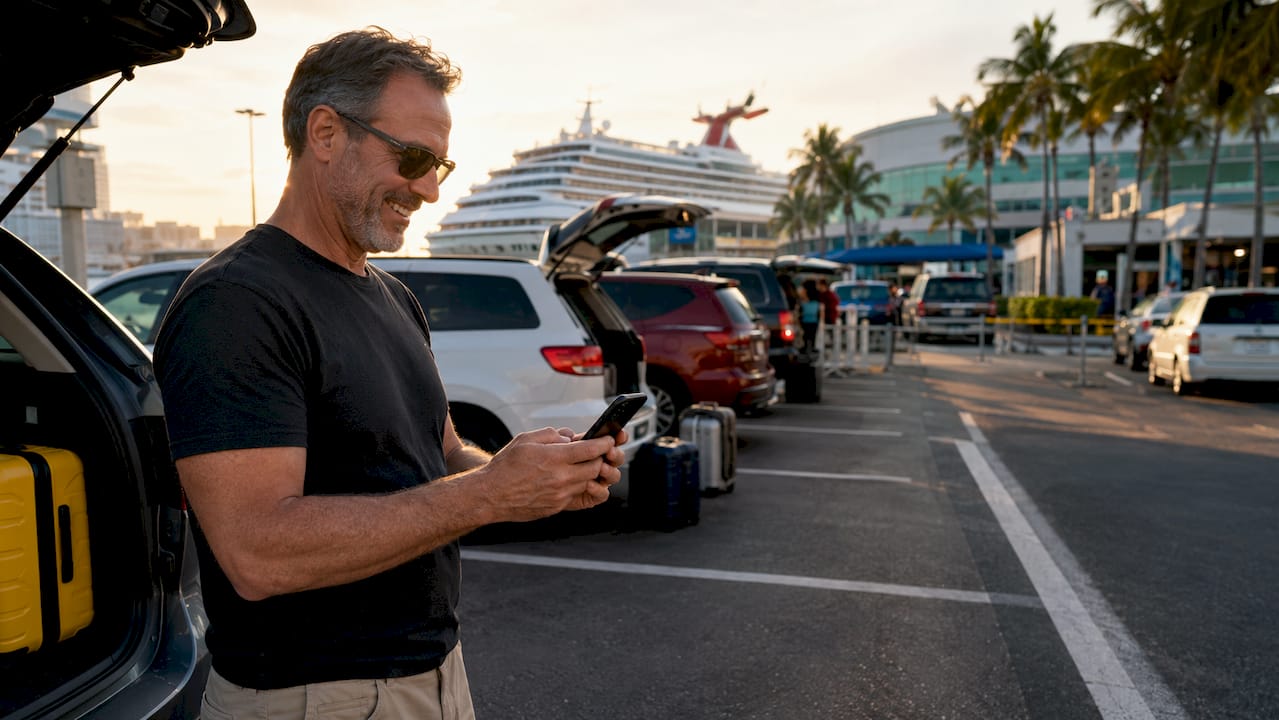
The proximity to cruise lines turns what most people treat as a major trip into something closer to a local outing. Local residents avoid coordinating flights or booking hotels, which means a three-night cruise on a Friday can be decided on a Tuesday without stress.
This "floating getaway" concept is one of the most underrated benefits of living near a cruise harbor. You pack a bag, drive to the terminal, and board. The logistics that stop most people from cruising frequently simply do not apply to you.
"For locals, a weekend cruise is no more complicated than a weekend road trip. The ship does the driving."
Last-minute cruise deals, sometimes called "dead-head" sailings, are priced low because the cruise line needs to fill cabins. Residents near the port are the only people who can realistically take advantage of these offers. Flying in from another city to catch a discounted sailing rarely makes financial sense once you add airfare.
- Book a three-night cruise with less than a week's notice
- Take advantage of discounted last-minute cabin pricing
- Use fewer vacation days because transit time is eliminated
- Plan multi-generational family cruises without complex travel logistics
For families with older parents or young children, the ability to store luggage efficiently and move directly to the terminal removes one of the biggest friction points in group travel.
5. How locals avoid cruise port traffic
Living near a port does not mean you are immune to its congestion. PortMiami warns of gridlock between 10 AM and 2 PM on busy ship days. Residents who do not account for turnaround day traffic patterns can find themselves stuck for an hour on roads that are normally clear.
The solution is schedule awareness and route flexibility. Locals who understand the "embarkation-day radius" know which specific roads lock up and which secondary routes stay clear. That knowledge comes quickly after a few turnaround days, but it is worth researching before you move.
- Identify the port's busiest embarkation days, typically weekends and holidays
- Map two or three alternate routes that bypass the main port access roads
- Schedule errands and appointments outside the 10 AM to 2 PM window on ship days
- Use local traffic apps to monitor real-time congestion near the terminal
- Recognize that the congestion window is short. Off-peak hours return to normal quickly
Pro Tip: Talk to current residents before you buy or rent near a port. They will tell you exactly which intersections to avoid and which routes the locals actually use.
The "cruise shadow" effect, where tens of thousands of visitors congest local infrastructure for 6–8 hours, is real but manageable. Most residents adapt within a few weeks and barely notice it after that.
6. Port-adjacent housing and the value of near-port residences
The value of near-port residences reflects both demand and lifestyle. Buyers who want waterfront access, strong rental income potential, and proximity to cruise lines are all competing for the same inventory. That competition keeps prices firm even when broader real estate markets soften.
Short-term rental platforms benefit directly from port proximity. Cruise passengers regularly book apartments and homes near terminals for pre-cruise nights. Owners in these areas can generate consistent rental income from a predictable, recurring customer base.
Port cities also tend to invest in public infrastructure at higher rates than inland communities. Transit improvements, road upgrades, and waterfront development projects follow port investment. Residents benefit from those upgrades even when they have nothing to do with cruising.
One nuance worth understanding: local businesses must position themselves strategically to capture cruise passenger spending. Passengers who stay on board for meals and entertainment do not contribute to the local economy. The communities that benefit most are those with strong shore-side dining, retail, and entertainment options that pull passengers off the ship.
7. Waterfront living and the broader quality-of-life case
The advantages of waterfront living extend well beyond cruise access. Port cities attract investment in parks, promenades, and cultural institutions because they need to appeal to visitors. Residents get those amenities at no extra cost simply by living there.
Access to beaches, marinas, and outdoor recreation is a documented driver of physical and mental health. Communities built around waterfront activity tend to have more walkable neighborhoods, better cycling infrastructure, and more public green space than inland equivalents.
The infrastructure benefits include expanded dining scenes and enhanced transit hubs, but residents must adapt to periodic visitor surges. That trade-off is worth it for most people who prioritize outdoor access and urban amenities. The key is going in with realistic expectations about what port-adjacent living actually looks like day to day.
Key takeaways
Living near a cruise port delivers the greatest value when lifestyle quality drives the decision, with cruise convenience and cost savings reinforcing that choice over time.
| Point | Details |
|---|---|
| Travel cost savings | Eliminating airfare and pre-cruise hotels saves frequent cruisers thousands each year. |
| Spontaneous cruise access | Last-minute sailings become realistic options when the port is a short drive away. |
| Economic and job benefits | Port terminals generate hundreds of millions in regional output and thousands of local jobs. |
| Traffic management | Knowing the 10 AM to 2 PM congestion window and alternate routes makes port traffic manageable. |
| Housing value | Near-port properties hold strong value due to rental demand and ongoing port-driven investment. |
What I actually think about living near a cruise port
I have spent time in port communities from Virginia to South Florida, and the honest answer is that the lifestyle sells itself before the cruise savings ever show up on a spreadsheet. The beach access, the walkable waterfronts, the restaurant scenes built to impress visitors — residents get all of that as a baseline. The cruise convenience is a genuine bonus on top of an already strong quality of life.
That said, I have seen people move near a port purely for the cruise access and then feel blindsided by turnaround day traffic. The congestion is real. It is also short-lived and entirely predictable once you know the schedule. The residents who struggle are the ones who did not do that homework before signing a lease.
My honest recommendation: treat the cruise savings as a lifestyle multiplier, not the primary reason to move. If the neighborhood, the climate, and the community appeal to you on their own terms, the cruise access will feel like a gift. If you are moving purely to save on cruise logistics, you may find the trade-offs less worth it than you expected.
The floating getaway advantage is real. Turning a cruise into something as casual as a weekend road trip changes how often you actually go. That frequency compounds into a genuinely different relationship with travel, and for the right person, that is worth a lot.
— Martin
Parking near your port, handled by Asphaltlotsva
One of the practical realities of living near a cruise terminal is that even a short drive requires a reliable place to leave your vehicle. Asphaltlotsva, a veteran-owned facility located just 15 minutes from Norfolk, provides secure indoor parking with round-the-clock surveillance and a free shuttle to the terminal.
For frequent cruisers, the VIP Unlimited Parking Membership guarantees a reserved spot on every cruise day, with priority shuttle service and no scramble for availability. That kind of reliability matters when you are taking three or four cruises a year and want the logistics to stay simple. Asphaltlotsva is built specifically for the kind of traveler who lives close to the port and cruises often.
FAQ
What are the main advantages of living near a cruise port?
The main advantages include eliminating airfare and pre-cruise hotel costs, gaining access to last-minute cruise deals, and enjoying waterfront lifestyle perks like beach access and strong local dining and entertainment scenes.
How do locals avoid cruise port traffic?
Locals learn the embarkation-day schedule and identify alternate routes that bypass the main port access roads. PortMiami warns that the worst congestion typically runs from 10 AM to 2 PM on busy ship days, so scheduling errands outside that window solves most of the problem.
Does living near a cruise terminal increase property values?
Port proximity supports housing demand through short-term rental income from pre-cruise travelers and ongoing port-driven infrastructure investment. The value of near-port residences stays firm because multiple buyer types, including renters, investors, and lifestyle buyers, compete for the same inventory.
Can I really book last-minute cruises if I live near a port?
Yes. Residents near cruise ports are the only realistic candidates for discounted last-minute sailings because they do not need to coordinate flights or hotels. A Tuesday decision can become a Friday departure without stress.
How many jobs does a cruise terminal create locally?
A single terminal development can generate thousands of positions. The proposed Tinicum terminal is projected to support more than 2,185 direct and indirect jobs across hospitality, retail, security, and transportation sectors.